The Digital Renaissance: Unleashing the Potential of Minting
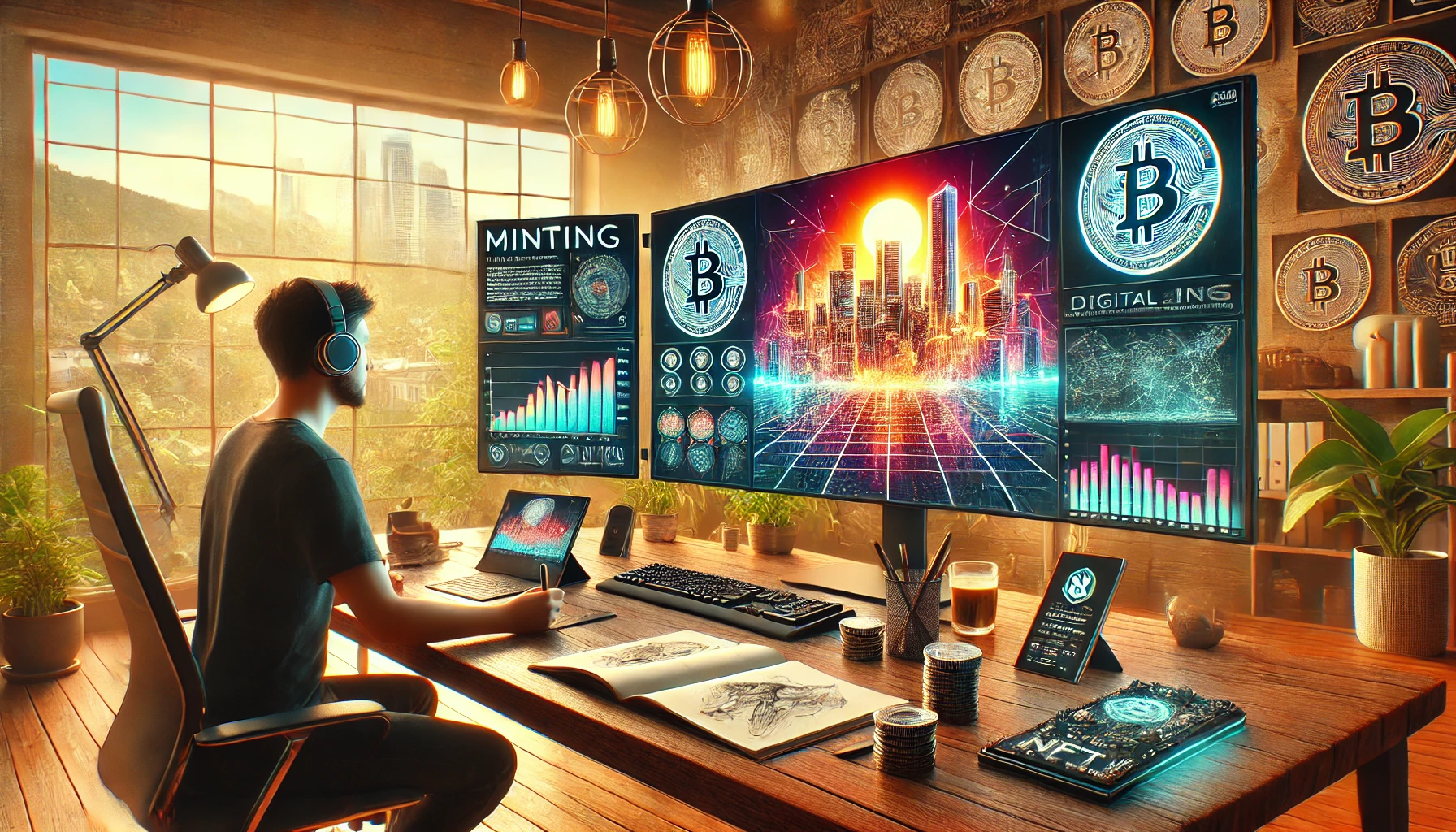
In the ever-expanding realm of digital innovation, a revolution is unfolding—one that empowers creators, artists, and visionaries to transform their digital expressions into valuable assets through the magic of minting. The term “minting” once belonged to the world of coins and physical currency, but today, it signifies a pivotal shift in the digital universe where creators immortalize their works on the blockchain. Minting has unlocked boundless possibilities by giving digital assets authenticity, scarcity, and value, creating an entirely new economy centered around digital ownership. As blockchain technology permeates industries, minting is paving the way for a new era where digital art, music, collectibles, and even virtual experiences can be immortalized and monetized like never before.
The ability to mint digital creations into valuable assets is not just a technological breakthrough—it is a paradigm shift that empowers creators to monetize their skills and establish verifiable ownership in a decentralized ecosystem. By minting, digital creators can ensure that their works are stored securely on a blockchain, giving them the power to prove authenticity and scarcity in a digital landscape flooded with replicable content. Whether it’s a breathtaking digital artwork, a groundbreaking music track, or a coveted virtual asset, minting allows creators to embed their work with unique metadata, ensuring that each item becomes a rare and verifiable asset in the digital marketplace.
Understanding Minting: The Bridge Between Creativity and Blockchain
Minting is the process by which digital files are transformed into blockchain-based assets, typically in the form of Non-Fungible Tokens (NFTs). These NFTs function as unique digital certificates of ownership that cannot be replicated or forged. To mint an asset, a creator uploads their digital work to a blockchain platform, where it undergoes a process that assigns a unique cryptographic signature to the file. This signature is then recorded on the blockchain, providing a transparent and immutable record of ownership.
The core principle behind minting is the concept of immutability—once an asset is minted, its metadata and ownership details are permanently etched into the blockchain. This ensures that the original creator retains proof of authorship while enabling buyers and collectors to verify the authenticity of the asset. Minting is the foundation upon which the NFT economy thrives, as it introduces verifiable scarcity and provenance to digital assets that were previously susceptible to duplication.
The Rise of NFTs: Minting Takes Center Stage
The advent of NFTs has catapulted minting into the spotlight, ushering in a new era of digital ownership where creators can tokenize their works and offer them to a global audience. NFTs represent a unique class of digital assets that cannot be replicated, making them ideal for capturing the essence of rarity and exclusivity in the digital realm. The rise of NFT marketplaces such as OpenSea, Rarible, Foundation, and SuperRare has created a bustling ecosystem where creators can mint and monetize their digital masterpieces with ease.
The NFT boom has led to the creation of high-profile sales that have captured the world’s imagination. From Beeple’s “Everydays: The First 5000 Days”, which sold for a staggering $69 million, to high-profile collectibles like the Bored Ape Yacht Club (BAYC) and CryptoPunks, the power of minting has redefined the value of digital creations. By minting NFTs, creators gain access to a global marketplace where buyers and collectors seek unique and verifiable digital assets, further fueling the growth of the NFT economy.
Why Minting Matters: Creating Value in a Digital World
The significance of minting goes beyond mere digital tokenization—it creates a new paradigm where digital creations can be endowed with tangible value and ownership. In a world where digital content can be easily copied and shared, minting establishes a verifiable and immutable connection between creators and their works. This connection introduces scarcity and provenance to the digital landscape, allowing creators to monetize their efforts while giving collectors the assurance that they are acquiring something unique and valuable.
Minting transforms digital creations into valuable assets by embedding metadata that defines the characteristics and ownership history of the asset. This metadata can include details such as the creator’s name, the creation date, and a link to the original file. By anchoring this information to the blockchain, minting ensures that the asset’s authenticity and rarity are preserved indefinitely. This is particularly important for digital art, music, and virtual assets, where establishing provenance is crucial to determining value.
The Minting Process: From Creation to Blockchain
The journey of transforming a digital creation into a valuable asset through minting involves several steps, each designed to ensure the authenticity and uniqueness of the minted asset. While the exact process may vary depending on the blockchain platform and NFT marketplace, the fundamental steps remain consistent.
The first step in minting is the creation of the digital asset. Whether it’s a piece of digital art, a music track, a video clip, or even a virtual item, the creator prepares the file that will be minted. This file is then uploaded to a blockchain platform that supports NFTs, such as Ethereum, Binance Smart Chain, or Polygon. During this stage, the creator adds relevant metadata, including the title, description, and attributes of the asset.
Once the digital asset and metadata are ready, the next step is to initiate the minting process. This involves converting the asset into a token that is stored on the blockchain. A unique cryptographic hash is generated to represent the digital file, and this hash is recorded on the blockchain. The creator pays a transaction fee, often referred to as a gas fee, to validate and complete the minting process.
After the asset is successfully minted, it becomes an NFT with a verifiable record of ownership and provenance. The NFT can then be listed for sale on various NFT marketplaces, where buyers and collectors can discover, bid on, and purchase the asset. Through this process, the creator not only secures ownership of their digital work but also opens up opportunities for revenue generation and long-term value appreciation.
Unlocking New Revenue Streams: How Minting Empowers Creators
Minting empowers creators by providing them with an avenue to monetize their digital creations in ways that were previously unimaginable. Unlike traditional models where artists and creators often rely on intermediaries to distribute and monetize their works, minting enables direct peer-to-peer transactions where creators retain control over their assets. This democratization of the creative economy allows artists to connect directly with their audience, bypassing traditional gatekeepers and unlocking new revenue streams.
One of the most compelling aspects of minting is the introduction of royalties. Through smart contracts embedded in NFTs, creators can program royalty mechanisms that ensure they receive a percentage of future sales. This means that every time their NFT is resold on the secondary market, the original creator continues to earn revenue. This feature provides artists with a sustainable income model, allowing them to benefit from the continued appreciation of their work.
Additionally, minting has opened the doors to fractional ownership, where high-value digital assets can be divided into smaller, tradable shares. This concept allows collectors to invest in a fraction of a rare NFT, broadening access to valuable assets and increasing liquidity in the market. By democratizing access to digital collectibles, fractional ownership is further enhancing the economic potential of minted assets.
Minting Beyond Art: The Expanding Frontiers
While NFTs and digital art have been at the forefront of the minting revolution, the potential applications of minting extend far beyond the realm of art. Minting is reshaping industries by introducing digital scarcity and verifiable ownership to a wide range of assets, including music, video content, virtual real estate, and even identity credentials.
In the music industry, minting allows artists to tokenize their tracks, giving fans the opportunity to own exclusive digital copies and participate in revenue-sharing models. Music NFTs are revolutionizing how artists engage with their audience, enabling direct interactions and fostering a deeper sense of community.
Virtual real estate is another domain where minting is making waves. Platforms like Decentraland and The Sandbox allow users to purchase, develop, and trade virtual land parcels using NFTs. These digital properties can be customized, monetized, and showcased in the metaverse, creating a thriving ecosystem where scarcity and exclusivity drive value.
The Future of Minting: Innovations and Possibilities
As blockchain technology continues to evolve, the future of minting holds immense promise and untapped potential. One of the most exciting developments on the horizon is the emergence of dynamic NFTs—assets that can evolve and change based on external factors or user interactions. Dynamic NFTs introduce a new dimension to digital ownership, where assets can adapt, grow, and acquire new traits over time.
Another promising trend is the integration of augmented reality (AR) and virtual reality (VR) with NFTs, allowing users to interact with their minted assets in immersive digital environments. This convergence of technologies opens up endless possibilities for creating interactive and experiential NFTs that blur the lines between the physical and digital worlds.
Furthermore, the concept of soulbound tokens is gaining traction, where NFTs are permanently linked to an individual’s identity, preventing them from being transferred or resold. Soulbound tokens have the potential to revolutionize sectors such as education, certifications, and digital identities, introducing new use cases for minting beyond traditional assets.
Final Insights: Embracing the Power of Minting
As the digital landscape continues to evolve, minting is emerging as a transformative force that empowers creators to unlock the full potential of their digital creations. By transforming digital works into valuable assets with verifiable ownership, minting introduces a new paradigm where scarcity, provenance, and authenticity become cornerstones of the digital economy. Whether it’s through NFTs, virtual real estate, or innovative new applications, minting is revolutionizing industries and redefining the way we perceive and value digital content. As creators and innovators embrace the power of minting, the boundaries between the physical and digital worlds will continue to dissolve, ushering in a future where digital assets hold unprecedented value and significance.