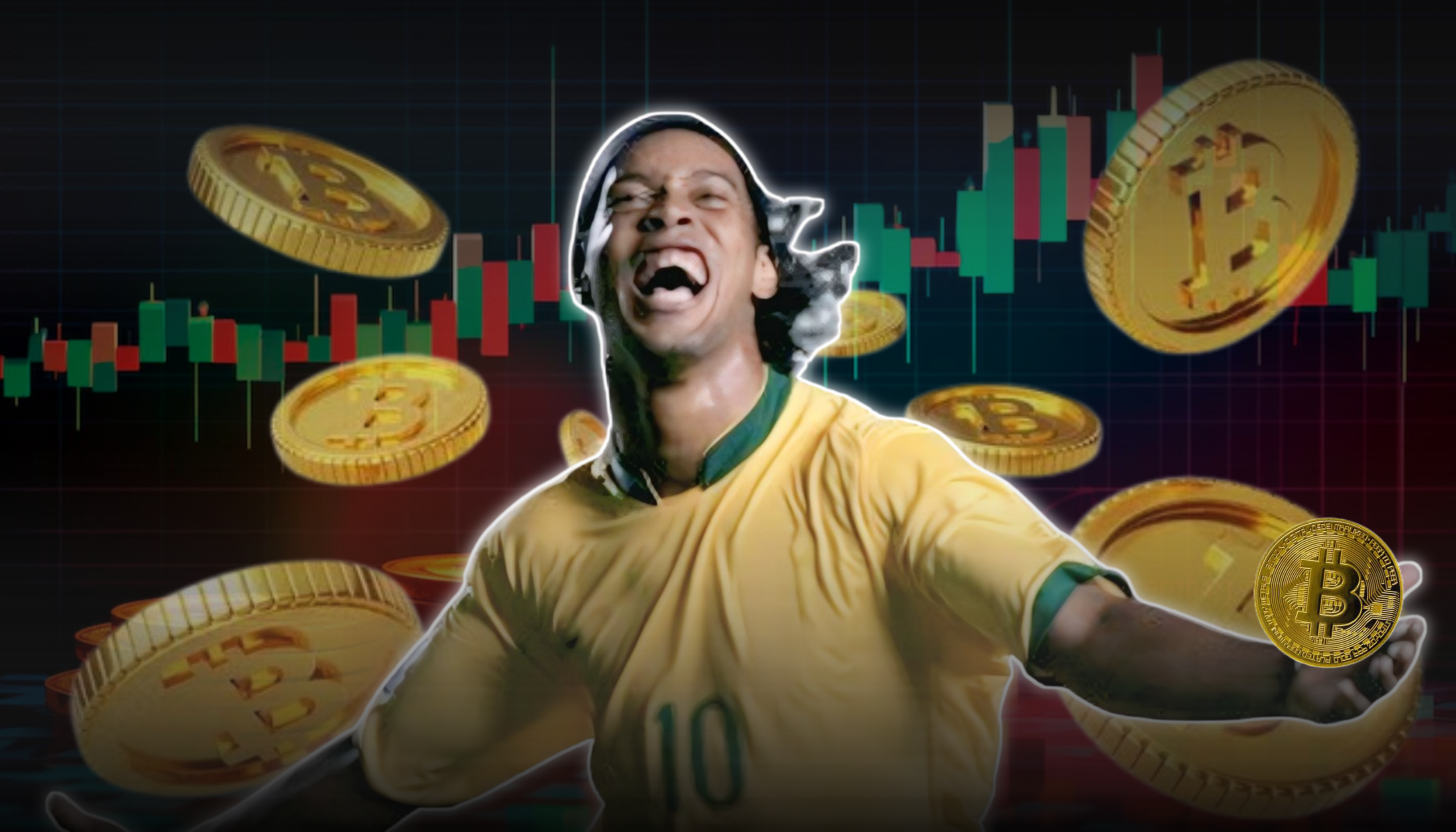
Ronaldinho Star10 Token Launch Sparks Controversy Over Insider Supply and Market Valuation
The launch of the Star10 token (STAR10) by Brazilian football legend Ronaldinho Gaúcho has ignited a firestorm of debate within the cryptocurrency community. Introduced on March 3, 2025, on the BNB Chain, this token aimed to merge the worlds of sports, fan engagement, and Web3 technology. However, what began as a promising venture has quickly been overshadowed by allegations of insider supply manipulation and questions surrounding its market valuation. In this article, we explore the details of the Star10 token launch, unpack the controversies, and provide insights into what this means for investors and the broader crypto landscape.
What Is the Star10 Token?
The Star10 token is a cryptocurrency with a total supply of 1 billion tokens, designed to offer fans exclusive access to challenges, rewards, and events tied to Ronaldinho’s iconic football career. Launched at an initial price of $0.2136, the token gained rapid traction, achieving a market capitalization of $207.5 million shortly after its debut. Its appeal lies in its promise to connect sports enthusiasts with blockchain technology, leveraging Ronaldinho’s global fame to attract investment. Yet, despite its ambitious vision, the token’s rollout has been anything but smooth.
The Insider Supply Controversy
At the heart of the controversy is the token distribution model. Reports indicate that 35% of the total supply was allocated to insiders, with 20% going to Ronaldinho and 15% to the development team. This significant insider allocation has raised concerns about fairness and potential market manipulation.
Token Distribution Breakdown
To illustrate, here’s how the Star10 token supply was distributed:
- Liquidity: 25%
- Public Distribution: 20%
- Ronaldinho: 20%
- Team: 15%
- Marketing and Operations: 15%
- Centralized Exchange (CEX) Allocation: 5%
The 35% insider allocation stands out as unusually high compared to many reputable crypto projects, where team allocations typically range from 10-20% and are often locked for months or years to prevent immediate selling. In contrast, Star10 insiders appear to have acted swiftly post-launch. On-chain data revealed that a wallet linked to the team purchased 122.45 million tokens (12.24% of the supply) for 80 BNB (about $50,000) and later sold 1 million tokens for 433 BNB ($270,000), retaining a holding worth $33.5 million. Such transactions have fueled accusations of insider trading, suggesting that early profits may have come at the expense of retail investors.
Why This Matters
In cryptocurrency, a balanced distribution is crucial to prevent any single party from controlling the market. A high insider supply increases the risk of a “dump,” where large token holders sell off their stakes, crashing the price and leaving smaller investors with losses. While there’s no evidence of a full-scale rug pull—where insiders drain liquidity and abandon the project—the possibility looms large in the community’s mind, amplifying distrust.
Market Valuation Fluctuations
The Star10 token’s market performance has been equally contentious. Within hours of launch, its market capitalization soared to over $400 million, only to drop to $274 million soon after. This volatility has sparked debate about the token’s true value.
Market Cap vs. Fully Diluted Valuation
The token’s fully diluted valuation (FDV)—the theoretical market cap if all 1 billion tokens were circulating—was reported at $213.6 million, with a circulating supply of 83 million tokens. The gap between the peak market cap and FDV suggests possible artificial inflation, potentially driven by insider activity or low liquidity. For context, market cap is calculated as:
Market Cap = Current Price × Circulating Supply
Meanwhile, FDV assumes all tokens are in play, offering a broader perspective on valuation. The rapid swings in Star10’s market cap indicate that its price may not reflect organic demand, raising red flags for investors.
Security Concerns: A Rocky Start
Adding to the turmoil, initial audits flagged security vulnerabilities in the Star10 token contract. GoPlus Security, a Web3 security firm, warned that the contract allowed its creator to burn any holder’s tokens at will—a feature that could wipe out investor holdings without consent. Fortunately, the team later renounced ownership of the contract, a step that decentralizes control and mitigates this risk. Nonetheless, the early oversight damaged the project’s credibility.
Community Backlash and Ronaldinho’s Track Record
The crypto community has responded with skepticism. Many see Star10 as another in a long line of celebrity-endorsed tokens that prioritizing hype over substance. Social media platforms like X are abuzz with criticism, with users questioning the token’s legitimacy and pointing to Ronaldinho’s past crypto ventures.
A History of Controversy
Ronaldinho’s crypto journey includes ties to projects like World Cup Inu, Atari Chain, Lord Society NFT, and meme coins such as WATER and Baby Doge, some of which were labeled pump-and-dump schemes. In 2023, he was linked to a $61 million pyramid scheme called “18kRonaldinho,” though he denied involvement. This history has cast a shadow over Star10, intensifying community wariness.
Key Takeaways for Investors
For those considering investments in celebrity-backed tokens like Star10, we recommend focusing on:
Tokenomics Transparency: Is the distribution fair and clearly documented?
Liquidity Protections: Is liquidity locked to prevent sudden withdrawals?
Team Credibility: Does the team have a proven track record?
Project Utility: What real value does the token offer?
Final Thoughts
The Star10 token launch exemplifies the highs and lows of cryptocurrency innovation. While it taps into Ronaldinho’s star power to bridge sports and blockchain, the controversies over insider supply, market volatility, and security lapses highlight significant risks. For investors, this serves as a cautionary tale: celebrity allure must be weighed against fundamentals. As the crypto space evolves, the Star10 saga underscores the need for vigilance in navigating this unpredictable terrain.
Stay informed with daily updates from Blockchain Magazine on Google News. Click here to follow us and mark as favorite: [Blockchain Magazine on Google News].
Disclaimer
Blockchain Magazine publishes content submitted by third-party agencies, partners, and clients. Any such posts are categorized and tagged accordingly:
- Sponsored Content: Posts labeled as "Sponsored" are paid placements submitted by third-party agencies or clients. Blockchain Magazine does not endorse or express any views regarding the information contained in these posts. The opinions expressed belong solely to the respective authors and do not reflect the official policy or position of Blockchain Magazine.
- Press Releases: Posts labeled as "Press Release" are paid PR submissions provided by our partners and clients. These are published as received and should be considered as promotional content.
The information provided in such posts is strictly for informational purposes only and should not be interpreted as financial, investment, or professional advice. Blockchain Magazine does not recommend, endorse, or promote any specific products, services, or companies mentioned. Readers are strongly encouraged to conduct independent research and consult with a qualified professional before making any financial or investment decisions.
Additionally, all featured images accompanying such posts are intended as creative depictions of the subject matter. There is no intent to offend or misrepresent any individual, institution, or entity. If any content or imagery is found to be objectionable, please reach out to us at [email protected], and we will promptly review the concern.
About the Author: Anaya Malhotra

editor's pick


Get Blockchain Insights In Inbox
Stay ahead of the curve with expert analysis and market updates.