
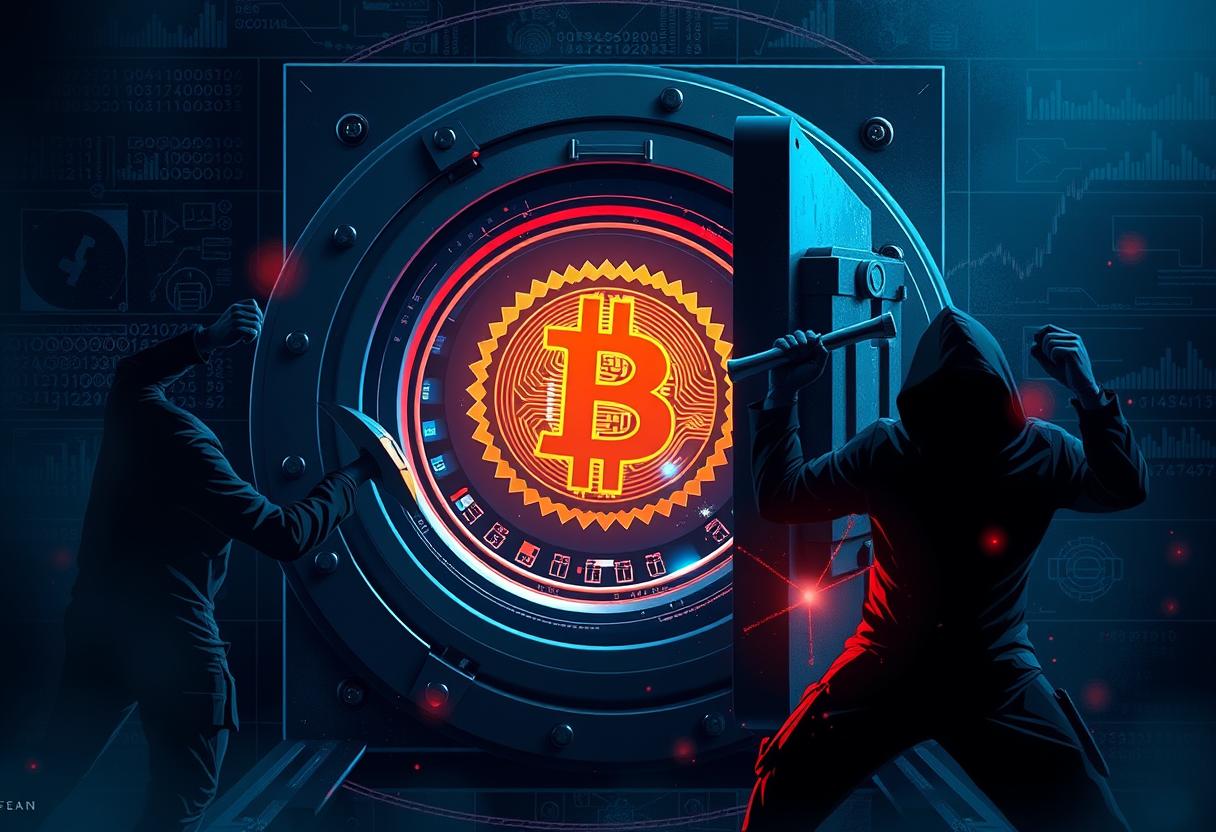
FBI Warns Against Brute Crypto Scams: Protect Your Digital Assets
In recent years, the world of cryptocurrency has expanded at an unprecedented rate, bringing innovation and financial opportunities to millions. However, alongside this rapid growth, cybercriminals have found new ways to exploit unsuspecting investors. The FBI has issued an urgent warning about brute crypto scams—sophisticated fraud tactics designed to steal digital assets from individuals and businesses. These scams are becoming more refined, targeting even experienced crypto users.
Understanding how these scams operate, their impact, and the best security practices is crucial to protecting your investments. This article explores the rising threat of brute crypto scams, real-world cases, and effective measures to secure your digital assets.
The Growing Threat of Brute Crypto Scams
Brute crypto scams involve deceptive practices that trick users into giving away access to their cryptocurrency wallets or investment funds. Unlike simple phishing attacks, these scams leverage psychological manipulation, fake platforms, and identity theft to lure victims into a false sense of security.
The primary types of brute crypto scams include:
Pig Butchering Scams – Fraudsters build relationships with victims over weeks or months, often through social media or dating apps. They eventually convince the victim to invest in fraudulent crypto schemes, only to disappear once they deposit significant funds.
Fake Crypto Exchange Representatives – Scammers impersonate employees of well-known crypto exchanges, contacting users about security concerns or account verification. They persuade victims to provide login credentials or transfer assets for “safe storage,” only to steal their funds.
Pump-and-Dump Schemes – Criminal groups artificially inflate the price of obscure cryptocurrencies by spreading misleading information. Once enough investors buy in, the fraudsters sell off their holdings, causing the price to plummet and leaving victims with worthless tokens.
Ransomware Attacks on Wallets – Hackers use malware to take control of crypto wallets, locking users out until they pay a ransom. Even if the ransom is paid, there is no guarantee the attacker will return access.
Counterfeit Investment Platforms – Fraudsters create professional-looking websites that mimic legitimate investment platforms, promising high returns. Users deposit funds, believing they are investing, but the platform is a front for money theft.
These scams are designed to exploit trust, urgency, and lack of awareness. The decentralized nature of cryptocurrency makes it difficult to recover stolen funds, increasing the risk for victims.
The Financial Impact of Crypto Scams
The rise of brute crypto scams has led to staggering financial losses. According to the FBI’s Internet Crime Complaint Center (IC3), crypto-related investment fraud saw a 183% increase, with losses exceeding $2.5 billion in 2022. By 2024, the total estimated losses from crypto scams had surpassed $10 billion globally.
Despite blockchain’s inherent security, criminals exploit human vulnerabilities rather than technological weaknesses. Many victims never recover their funds, as crypto transactions are irreversible. This growing threat underscores the need for strong security practices and user awareness.
How to Protect Your Digital Assets
Given the sophistication of brute crypto scams, safeguarding your investments requires a proactive approach. Here are the most effective strategies to protect your digital assets:
1. Use Secure Crypto Wallets
Not all wallets offer the same level of security. Hardware wallets, also known as cold wallets, provide the best protection by keeping private keys offline. Brands like Ledger and Trezor are widely recommended for their robust security features.
Avoid storing large amounts of cryptocurrency on exchange wallets, as these platforms are prime targets for hackers. Instead, use a combination of cold wallets for long-term storage and hot wallets (online wallets) for transactions.
2. Enable Two-Factor Authentication (2FA)
Two-factor authentication adds an extra layer of security to your accounts. By requiring a secondary verification step—such as a code from an authenticator app—2FA significantly reduces the risk of unauthorized access.
Always opt for app-based 2FA, such as Google Authenticator or Authy, rather than SMS-based authentication, which can be vulnerable to SIM-swapping attacks.
3. Be Cautious with Unsolicited Messages
If someone contacts you claiming to be from a crypto exchange, investment platform, or government agency, verify their identity through official channels. Scammers often use urgency and fear tactics to pressure victims into making rash decisions. Legitimate companies will never ask for your private keys, passwords, or recovery phrases. If you receive such a request, it is a scam.
4. Research Before Investing
Before investing in any cryptocurrency or trading platform, conduct thorough research. Check for:
Verified customer reviews on independent platforms
Regulatory compliance and licensing
A transparent and experienced team behind the project
Clear use cases and realistic return expectations .Avoid investments that promise guaranteed profits or unusually high returns, as these are classic signs of scams.
5. Keep Software Updated
Ensure your wallet software, trading apps, and security tools are always up to date. Developers regularly release security patches to protect against emerging threats.
Enable automatic updates where possible and only download software from official sources. Avoid using cracked or pirated software, as it may contain malware designed to steal your funds.
6. Verify Websites and URLs
Fake crypto websites can look almost identical to legitimate platforms. Scammers often use domain names that closely resemble real websites, swapping letters or adding slight modifications. Before logging in or making transactions, double-check the website URL. Bookmark official websites to avoid typing errors that could lead you to a phishing site.
7. Educate Yourself Continuously
The tactics used by cybercriminals evolve constantly. Staying informed about the latest scams and security practices can prevent you from becoming a victim.
Follow reputable crypto security blogs, participate in online forums, and stay updated with official announcements from exchanges and regulatory authorities. Real-World Cases: Lessons from Victims
Several high-profile cases illustrate the dangers of brute crypto scams.
In 2023, a Texas man lost $1.2 million in a pig butchering scam after forming an online relationship with a fraudster posing as a cryptocurrency investor. The scammer convinced him to invest through a fake trading platform, which eventually locked him out.
A New York woman fell victim to a fake crypto exchange employee scam, transferring her entire savings to a fraudster posing as a Binance security officer. The scammer claimed her account was at risk and convinced her to move funds for “safekeeping.”
A hacking group targeted users of a popular DeFi platform by launching a phishing attack that stole $4 million worth of tokens in a single day. They replicated the official website, tricking users into connecting their wallets and approving malicious transactions. These cases highlight how easily even experienced users can be deceived, reinforcing the importance of skepticism and due diligence.
The Future of Crypto Security
As cryptocurrency adoption continues to grow, so will the threats posed by cybercriminals. Governments and regulatory bodies are taking steps to combat fraud, but the decentralized nature of crypto means individual users must take responsibility for their security.
Enhanced identity verification, AI-powered fraud detection, and blockchain-based security solutions will play a crucial role in reducing scam-related losses. However, the most effective defense remains education and vigilance.
Safeguard Your Crypto Assets
Brute crypto scams are a growing threat, but with the right precautions, you can protect your investments. By using secure wallets, enabling 2FA, verifying sources, and staying informed, you can significantly reduce your risk of falling victim to fraud.
As the FBI continues to warn against these scams, the responsibility ultimately lies with users to take security seriously. Cryptocurrency offers incredible opportunities, but only for those who navigate it wisely and cautiously.
Stay informed with daily updates from Blockchain Magazine on Google News. Click here to follow us and mark as favorite: [Blockchain Magazine on Google News].
Disclaimer
Blockchain Magazine publishes content submitted by third-party agencies, partners, and clients. Any such posts are categorized and tagged accordingly:
- Sponsored Content: Posts labeled as "Sponsored" are paid placements submitted by third-party agencies or clients. Blockchain Magazine does not endorse or express any views regarding the information contained in these posts. The opinions expressed belong solely to the respective authors and do not reflect the official policy or position of Blockchain Magazine.
- Press Releases: Posts labeled as "Press Release" are paid PR submissions provided by our partners and clients. These are published as received and should be considered as promotional content.
The information provided in such posts is strictly for informational purposes only and should not be interpreted as financial, investment, or professional advice. Blockchain Magazine does not recommend, endorse, or promote any specific products, services, or companies mentioned. Readers are strongly encouraged to conduct independent research and consult with a qualified professional before making any financial or investment decisions.
Additionally, all featured images accompanying such posts are intended as creative depictions of the subject matter. There is no intent to offend or misrepresent any individual, institution, or entity. If any content or imagery is found to be objectionable, please reach out to us at [email protected], and we will promptly review the concern.
About the Author: Veronica Cruz

editor's pick




Get Blockchain Insights In Inbox
Stay ahead of the curve with expert analysis and market updates.