
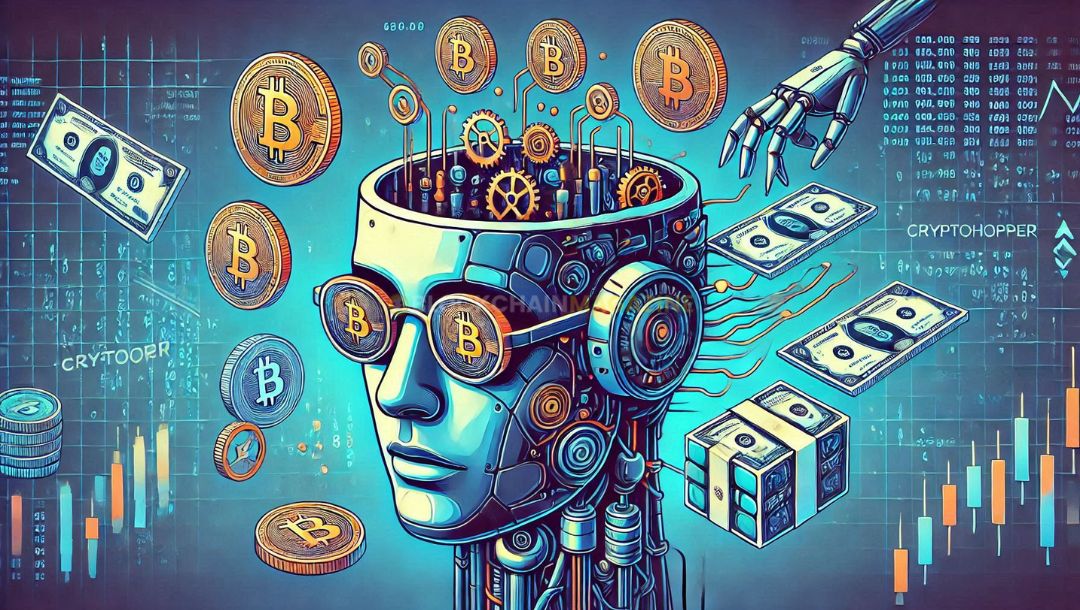
Cryptocurrency Mining 101: How Do You Mine Cryptocurrency In 2025
So, you’re curious about how to mine cryptocurrency in 2025? Well, it’s not as mysterious as it sounds. Cryptocurrency mining, especially for coins like Bitcoin, is basically using computers to solve puzzles. When your computer solves one, you get rewarded with a coin. But it’s not just about having any computer; you need the right gear, and it’s a bit of a race. The faster your machine, the better your chances. Let’s break down some key points you should know.
Key Takeaways
- Cryptocurrency mining involves solving complex puzzles using specialized hardware.
- In 2025, ASICs are the go-to choice for efficient mining compared to GPUs.
- Joining a mining pool can increase your chances of earning rewards.
- Monitoring market trends helps in maximizing mining profits.
- Security and environmental concerns are important factors in mining operations.
Understanding Cryptocurrency Mining in 2025
The Evolution of Mining Technology
Cryptocurrency mining has come a long way since its inception. In 2025, mining technology is more advanced than ever, with cutting-edge hardware and software solutions driving efficiency. The shift from traditional GPUs to more specialized ASICs has been significant. These machines are designed specifically for mining, offering higher hash rates and lower power consumption. Innovations in cooling systems and energy sources have also played a role in making mining operations more sustainable.
Key Components of a Mining Setup
Setting up a mining operation involves several key components. You’ll need powerful ASIC miners, reliable power supply units, and efficient cooling solutions. Networking equipment is crucial for maintaining a stable connection to mining pools. Additionally, a secure crypto wallet is essential for storing your mined coins. Investing in quality components can lead to better performance and increased profitability.
Environmental Impact of Mining
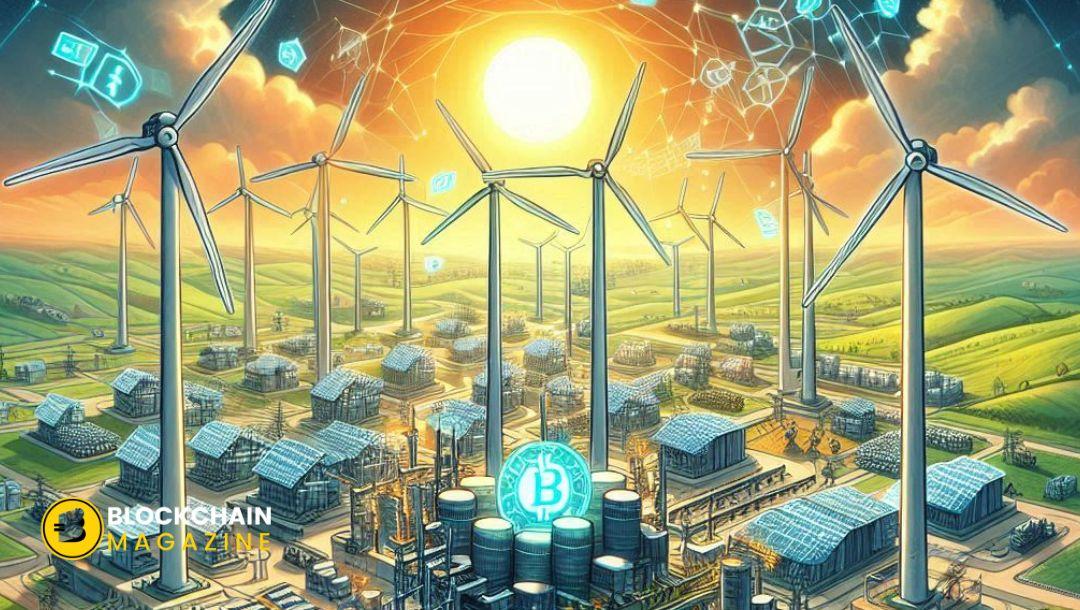
The environmental impact of cryptocurrency mining has been a hot topic. In 2025, the focus is on reducing the carbon footprint of mining operations. Many miners are turning to renewable energy sources like solar and wind to power their rigs. This shift not only helps the environment but also reduces operational costs. However, the debate continues as critics argue that the energy consumption of mining is still too high.
As the crypto market evolves, the balance between innovation and sustainability becomes more critical. Miners must adapt to these changes to remain competitive and responsible in the industry.
For further insights on how the crypto market is adapting to these changes, check out the crypto market trends.
Choosing the Right Mining Hardware
ASICs vs. GPUs: Pros and Cons
When it comes to mining cryptocurrency, the choice between ASICs and GPUs is a big deal. ASICs (Application-Specific Integrated Circuits) are like the superheroes of the mining world. They’re built just for mining, which means they’re super fast and efficient, especially for Bitcoin. But, there’s a catch—they’re pricey and not very flexible. Once you’ve got an ASIC, it’s pretty much only good for one thing.
On the flip side, you’ve got GPUs (Graphics Processing Units). Think of them as the jack-of-all-trades. They’re not as fast as ASICs for Bitcoin, but they’re versatile. You can use them to mine different cryptocurrencies, which is a plus if you like to keep your options open. Plus, they’re generally cheaper than ASICs, making them a popular choice for those just starting out.
Top Mining Hardware Brands
In 2025, if you’re looking to get into mining, knowing the right brands can save you a lot of headaches. Here’s a quick rundown:
- Bitmain: Known for their Antminer series, Bitmain is a top player in the ASIC market. These machines are known for their power and efficiency.
- MicroBT: Their WhatsMiner series is giving Bitmain a run for its money. Reliable and efficient, these are a solid choice for serious miners.
- NVIDIA and AMD: If you’re leaning towards GPUs, these two are the go-to. NVIDIA’s GeForce and AMD’s Radeon series are popular for their performance and reliability.
Cost Considerations for Miners
Mining isn’t just about buying the hardware. There are ongoing costs you need to think about:
- Electricity: This is often the biggest expense. ASICs, for instance, can consume a lot of power, so if your electricity rates are high, it might eat into your profits.
- Cooling: Mining hardware generates a lot of heat. You’ll need to invest in cooling solutions to keep your equipment running smoothly and extend its life.
- Internet: A stable and fast internet connection is crucial. Downtime can mean lost profits, so make sure your setup is reliable.
Choosing the right hardware is the first step to a successful mining operation. It’s all about balancing performance, cost, and your own needs and preferences.
For those looking to explore different crypto mining platforms, LZMiner and KK Miner are worth checking out. They offer unique features that cater to both beginners and seasoned miners.
Setting Up Your Mining Operation
Selecting a Mining Pool
In 2025, the landscape for mining pools is more competitive than ever. So, why join one? Well, mining pools allow you to combine your computational power with other miners, increasing your chances of earning rewards. When picking a pool, consider its size, payout structure, and fees. Larger pools might offer more consistent payouts, but smaller pools can sometimes have better terms. Some popular choices include F2Pool, Poolin, and AntPool.
Optimizing Your Mining Environment
Your mining setup needs more than just hardware and software—it requires an optimized environment. Efficient cooling is crucial to prevent overheating and equipment damage. Consider setting up in a cool location or investing in advanced cooling systems. Reliable power sources are essential too. Many miners are turning to renewable energy like solar or hydroelectric power to cut costs and reduce environmental impact. Keep your equipment in a dust-free area to maintain efficiency.
Ensuring Security and Maintenance
Security is a big deal in mining. You need to protect your hardware and digital assets. Use firewalls and antivirus programs to shield your equipment from cyber threats. Regular maintenance checks are necessary to ensure your hardware performs at its best. Check for firmware updates and replace any worn-out components. A little upkeep can go a long way in keeping your operation running smoothly.
Setting up a mining operation isn’t just about buying the right gear. It’s about creating a balanced and efficient system that maximizes performance while minimizing costs. Remember, every detail counts, from choosing the right pool to ensuring your hardware is secure and well-maintained.
Maximizing Mining Profits
Monitoring Market Trends
Keeping an eye on crypto prices and news is crucial for any miner looking to maximize profits. The price of Bitcoin can fluctuate wildly, influenced by market sentiment, regulatory changes, and technological advancements. Staying informed means you can make smarter decisions about when to mine and when to sell. Some miners even set up alerts for major news events or price changes to act quickly.
Using Profitability Calculators
Profitability calculators are essential tools for miners. These calculators take into account the current Bitcoin price, mining difficulty, and your setup’s hash rate to estimate potential earnings. They help you understand whether your operation is profitable or if adjustments are needed. It’s a good idea to check these calculators regularly as they can guide your decisions on whether to continue mining or perhaps invest in cloud mining for a more stable income.
Reducing Operational Costs
Cutting down on expenses is a straightforward way to boost profits. Electricity is often the biggest cost in mining operations, so finding ways to reduce energy consumption is key. Consider using energy-efficient hardware or exploring renewable energy options like solar or wind. Additionally, joining a mining pool can help distribute costs and increase your chances of earning more consistent payouts. Don’t forget to factor in pool fees, which typically range from 1% to 3%.
The Role of Crypto Wallets in Mining
Choosing a Secure Wallet
When you begin mining cryptocurrency, one of the first things you’ll need is a secure wallet to store your earnings. Security is the most critical factor here because your wallet will hold the fruits of your labor. There are different types of wallets: hardware wallets, software wallets, and even paper wallets. Hardware wallets are generally considered the safest because they store your private keys offline, away from potential online threats. Software wallets, on the other hand, are more convenient but can be vulnerable to malware and hacking. Paper wallets offer security by being completely offline but can be easily lost or damaged.
Integrating Wallets with Mining Operations
Once you have a wallet, the next step is integrating it into your mining operation. This involves configuring your mining software to send rewards directly to your wallet. Many mining software options allow you to enter your wallet address so that mined coins are automatically deposited. This setup not only streamlines the process but also minimizes the risk of losing your earnings. For those using mining pools, ensure that the pool supports direct wallet payouts to avoid additional steps in transferring your earnings.
Managing Mined Cryptocurrency
After you’ve successfully mined some cryptocurrency, managing it effectively becomes important. First, keep track of your earnings and the market value of your coins. This helps in making informed decisions about when to hold or sell. Consider using a spreadsheet or a dedicated app to monitor your assets. Secondly, think about diversifying your holdings. While it’s tempting to hold onto a single type of coin, diversifying can mitigate risks associated with market volatility. Lastly, always back up your wallet. Most wallets provide a seed phrase or a backup file—store these securely, as losing them could mean losing access to your funds forever.
In the ever-evolving world of cryptocurrency, a secure and well-managed wallet is your gateway to safeguarding and optimizing your mining efforts. Don’t underestimate its importance; it’s not just a storage solution but an integral part of your mining strategy.
Challenges and Risks in Cryptocurrency Mining
Regulatory Challenges
Navigating the complex web of regulations surrounding cryptocurrency mining can be daunting. Different countries have varying rules, with some imposing outright bans while others offer incentives for miners. This inconsistency can make it difficult for miners to plan long-term operations. Staying informed about local regulations is crucial to avoid unexpected shutdowns or fines.
Security Threats
Cryptocurrency mining is a lucrative target for cybercriminals. Hackers often aim at mining operations to steal cryptocurrency or disrupt services. Implementing robust security measures is essential. Consider using firewalls, updated antivirus software, and secure networks to protect your mining assets.
Market Volatility
The value of cryptocurrencies can swing wildly, impacting the profitability of mining operations. When prices plummet, miners may struggle to cover their operational costs. It’s important to regularly monitor market trends and adjust your strategy accordingly.
Mining cryptocurrency is not just about having the latest hardware; it’s about staying ahead of the ever-changing landscape of regulations, security threats, and market conditions. Miners who adapt quickly and efficiently will thrive, while those who don’t may find themselves out of the game.
Future Trends in Cryptocurrency Mining
Innovations in Mining Technology
As we look ahead, the landscape of cryptocurrency mining is set to undergo significant changes. New technologies are poised to redefine how we mine. Quantum computing, for instance, might offer unprecedented processing power, potentially making current methods obsolete. Meanwhile, AI-driven algorithms could optimize mining operations, making them more efficient and less energy-intensive. The integration of these technologies could lead to more sustainable practices, reducing the overall carbon footprint of mining activities.
The Shift Towards Sustainable Mining
With growing concerns about the environmental impact of mining, there’s a noticeable shift towards sustainability. Miners are increasingly adopting renewable energy sources, such as solar and wind, to power their operations. This not only reduces environmental harm but also cuts down on electricity costs, which are a major expense for miners. Furthermore, innovations in energy-efficient hardware are making it possible to mine with less power, which is crucial as the world moves towards greener practices.
Potential Changes in Mining Regulations
Regulations around cryptocurrency mining are likely to tighten as governments become more aware of its energy consumption and economic implications. Countries with abundant energy resources might encourage mining, while others could impose restrictions to manage power usage. This regulatory landscape will require miners to stay informed and adaptable to maintain their operations. As these changes unfold, miners may need to consider relocating to regions with favorable policies or investing in technologies that comply with new standards.
The future of cryptocurrency mining will be shaped by technological advancements and regulatory shifts. Staying ahead of these trends will be key for miners looking to thrive in this evolving industry.
Mining is not just about solving complex equations anymore; it’s about adapting to a rapidly changing world. Whether you’re a hobbyist or part of a large operation, understanding these trends will help you navigate the future of mining effectively. And if you’re exploring alternatives, altcoin mining remains a viable option for those seeking new opportunities beyond Bitcoin.
Conclusion
So, there you have it. Mining cryptocurrency in 2025 is a whole different ball game compared to the early days. It’s not just about plugging in a computer and letting it run anymore. You’ve got to think about the hardware, the energy costs, and even the environmental impact. But if you get it right, the rewards can be worth it. Just remember, it’s a competitive field, and staying updated with the latest trends and technologies is key. Whether you’re in it for the tech, the potential profits, or just the thrill of the chase, mining in 2025 is an adventure all its own. Good luck out there!
Frequently Asked Questions
What is cryptocurrency mining?
Cryptocurrency mining is the process of using computers to solve math puzzles to add new transactions to a blockchain. Miners earn new coins as a reward for their work.
What do I need to start mining cryptocurrency?
To start mining, you’ll need a computer with special hardware, like ASICs or GPUs, mining software, and a secure wallet to store your earnings.
Is mining cryptocurrency profitable?
Mining can be profitable, but it depends on the cost of electricity, the price of the cryptocurrency, and the mining difficulty. It’s important to calculate these factors before starting.
What’s the difference between ASIC and GPU mining?
ASICs are machines made just for mining and are usually faster and more efficient than GPUs, which are more versatile but less powerful for mining.
How does a mining pool work?
A mining pool is a group of miners who work together to solve puzzles and share the rewards, making it easier for individual miners to earn coins.
Why is cryptocurrency mining important?
Mining helps keep the blockchain secure and running smoothly by verifying transactions and adding new blocks to the chain.
Stay informed with daily updates from Blockchain Magazine on Google News. Click here to follow us and mark as favorite: [Blockchain Magazine on Google News].
Disclaimer
Blockchain Magazine publishes content submitted by third-party agencies, partners, and clients. Any such posts are categorized and tagged accordingly:
- Sponsored Content: Posts labeled as "Sponsored" are paid placements submitted by third-party agencies or clients. Blockchain Magazine does not endorse or express any views regarding the information contained in these posts. The opinions expressed belong solely to the respective authors and do not reflect the official policy or position of Blockchain Magazine.
- Press Releases: Posts labeled as "Press Release" are paid PR submissions provided by our partners and clients. These are published as received and should be considered as promotional content.
The information provided in such posts is strictly for informational purposes only and should not be interpreted as financial, investment, or professional advice. Blockchain Magazine does not recommend, endorse, or promote any specific products, services, or companies mentioned. Readers are strongly encouraged to conduct independent research and consult with a qualified professional before making any financial or investment decisions.
Additionally, all featured images accompanying such posts are intended as creative depictions of the subject matter. There is no intent to offend or misrepresent any individual, institution, or entity. If any content or imagery is found to be objectionable, please reach out to us at [email protected], and we will promptly review the concern.
About the Author: Anaya Malhotra

editor's pick


Get Blockchain Insights In Inbox
Stay ahead of the curve with expert analysis and market updates.