
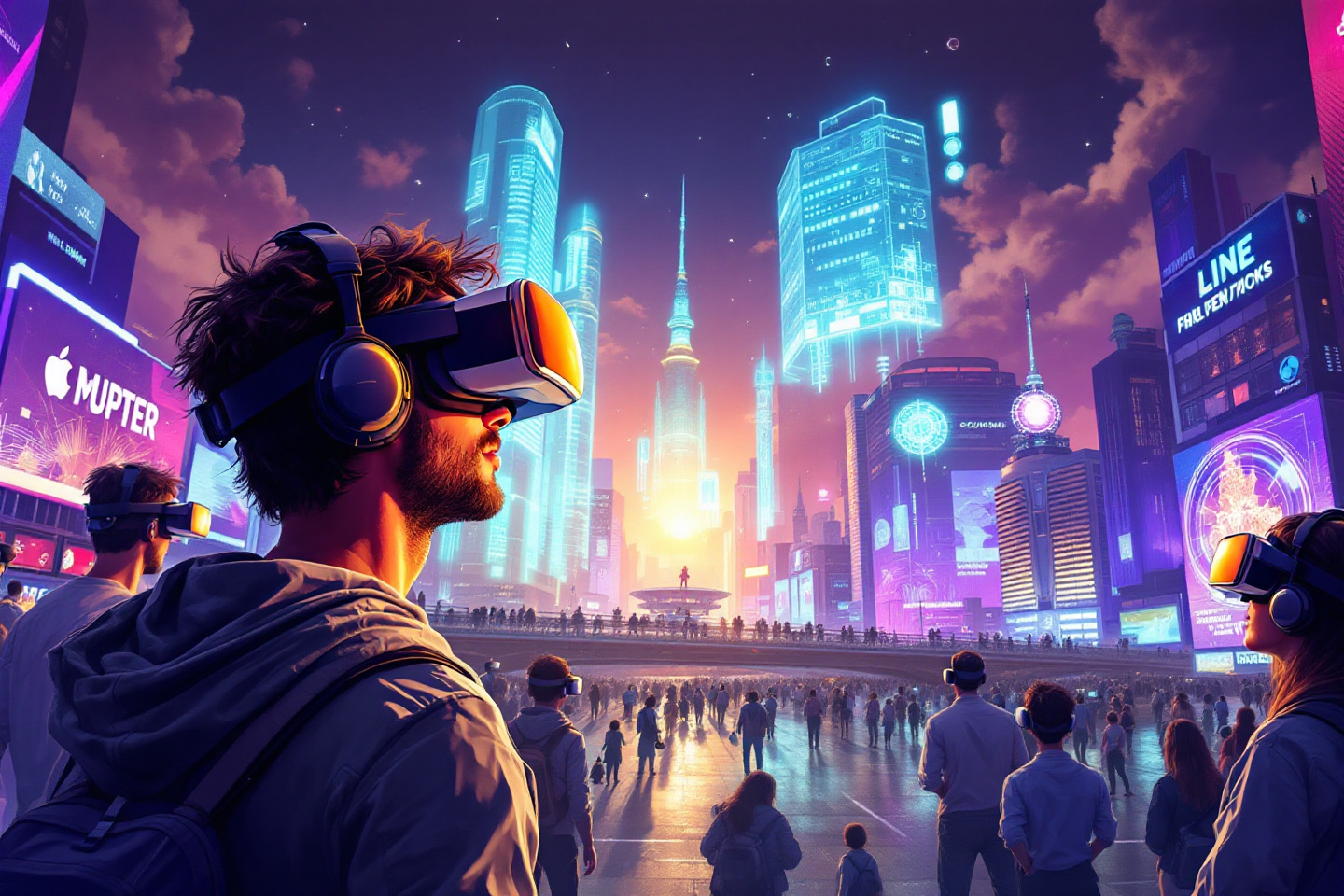
How Much Is the Metaverse Worth? Shocking New Market Predictions
The concept of the metaverse has transitioned from science fiction to a tangible reality, capturing the imagination of tech enthusiasts, investors, and businesses alike. As virtual worlds, augmented reality, and blockchain technology converge, the metaverse is poised to become one of the most transformative innovations of the 21st century. But just how much is the metaverse worth? Recent market predictions reveal staggering figures that underscore its potential to reshape industries, economies, and how we interact with digital environments.
Understanding the Metaverse: A New Digital Frontier
The metaverse refers to a collective virtual shared space, created by the convergence of virtually enhanced physical reality, augmented reality (AR), and the internet. It is a space where users can interact with each other and digital objects in real-time, often through avatars. From virtual real estate and digital fashion to immersive gaming and remote work environments, the metaverse is expanding rapidly, driven by advancements in technology and growing user adoption.
Companies like Meta (formerly Facebook), Microsoft, and Roblox are investing billions into developing metaverse platforms, while blockchain-based projects like Decentraland and The Sandbox are pioneering decentralized virtual worlds. These efforts are not just about creating entertainment spaces but also about building ecosystems where commerce, social interaction, and creativity can thrive.
Current Market Valuation: A Snapshot of the Metaverse Economy
As of 2023, the metaverse is already a multi-billion-dollar industry. According to a report by Bloomberg Intelligence, the global metaverse market is projected to reach $800 billion by 2024. This valuation encompasses a wide range of sectors, including gaming, virtual real estate, digital advertising, and hardware like VR headsets and AR glasses.
Gaming remains the largest contributor to the metaverse economy, with platforms like Fortnite, Roblox, and Minecraft leading the charge. However, non-gaming applications are gaining traction, particularly in areas like virtual meetings, education, and e-commerce. For instance, companies are exploring virtual storefronts where users can browse and purchase products using digital currencies.
Shocking New Market Predictions: The Metaverse by 2030
While current valuations are impressive, long-term predictions for the metaverse are even more astonishing. Analysts at McKinsey & Company estimate that the metaverse could generate up to $5 trillion in value by 2030. This projection is based on the assumption that the metaverse will become an integral part of daily life, influencing how people work, shop, socialize, and entertain themselves.
Key Drivers of Metaverse Growth
Several factors are expected to drive the metaverse’s exponential growth over the next decade:
Technological Advancements: Improvements in AR, VR, and AI will make virtual environments more immersive and accessible.
Increased Adoption: As more users and businesses embrace the metaverse, its ecosystem will expand, creating new opportunities for innovation.
Blockchain Integration: Decentralized technologies will enable secure ownership of digital assets, fostering a thriving virtual economy.
Corporate Investment: Major tech companies and startups alike are pouring resources into metaverse development, accelerating its evolution.
Industries Poised for Transformation
The metaverse is not limited to gaming and entertainment; it has the potential to revolutionize multiple industries:
Retail and E-Commerce: Virtual storefronts and try-before-you-buy experiences could redefine online shopping.
Real Estate: Virtual properties are already being bought and sold for millions, with potential for further growth.
Education: Immersive learning environments could make education more engaging and accessible.
Healthcare: Virtual consultations and therapy sessions could become commonplace.
Challenges and Risks: What Could Hinder the Metaverse’s Growth?
Despite its immense potential, the metaverse faces several challenges that could impact its growth. Privacy and security concerns are at the forefront, as virtual environments collect vast amounts of user data. Regulatory hurdles and the need for interoperability between platforms also pose significant obstacles. Additionally, the high cost of VR and AR hardware could limit accessibility, particularly in developing regions.
The Future of the Metaverse: A World of Possibilities
The metaverse represents a paradigm shift in how we interact with technology and each other. Its potential to create new economic opportunities, enhance social connectivity, and transform industries is unparalleled. While challenges remain, the pace of innovation and investment suggests that the metaverse is here to stay.
As we look to the future, one thing is clear: the metaverse is not just a trend but a fundamental evolution of the digital landscape. Its worth extends beyond monetary value, offering a glimpse into a future where the boundaries between the physical and virtual worlds blur.
Final Thoughts
The metaverse is no longer a distant dream but a rapidly growing reality with the potential to reshape our world. With market predictions ranging from 800 billion by 2024 to 5 trillion by 2030, the metaverse is poised to become one of the most valuable and transformative technologies of our time.
As businesses, governments, and individuals navigate this new frontier, the opportunities are limitless. From virtual economies to immersive experiences, the metaverse promises to redefine how we live, work, and play. The question is no longer about its worth but about how we will harness its potential to create a better, more connected future.
Stay informed with daily updates from Blockchain Magazine on Google News. Click here to follow us and mark as favorite: [Blockchain Magazine on Google News].
Disclaimer
Blockchain Magazine publishes content submitted by third-party agencies, partners, and clients. Any such posts are categorized and tagged accordingly:
- Sponsored Content: Posts labeled as "Sponsored" are paid placements submitted by third-party agencies or clients. Blockchain Magazine does not endorse or express any views regarding the information contained in these posts. The opinions expressed belong solely to the respective authors and do not reflect the official policy or position of Blockchain Magazine.
- Press Releases: Posts labeled as "Press Release" are paid PR submissions provided by our partners and clients. These are published as received and should be considered as promotional content.
The information provided in such posts is strictly for informational purposes only and should not be interpreted as financial, investment, or professional advice. Blockchain Magazine does not recommend, endorse, or promote any specific products, services, or companies mentioned. Readers are strongly encouraged to conduct independent research and consult with a qualified professional before making any financial or investment decisions.
Additionally, all featured images accompanying such posts are intended as creative depictions of the subject matter. There is no intent to offend or misrepresent any individual, institution, or entity. If any content or imagery is found to be objectionable, please reach out to us at [email protected], and we will promptly review the concern.
About the Author: Anna Woods



Get Blockchain Insights In Inbox
Stay ahead of the curve with expert analysis and market updates.