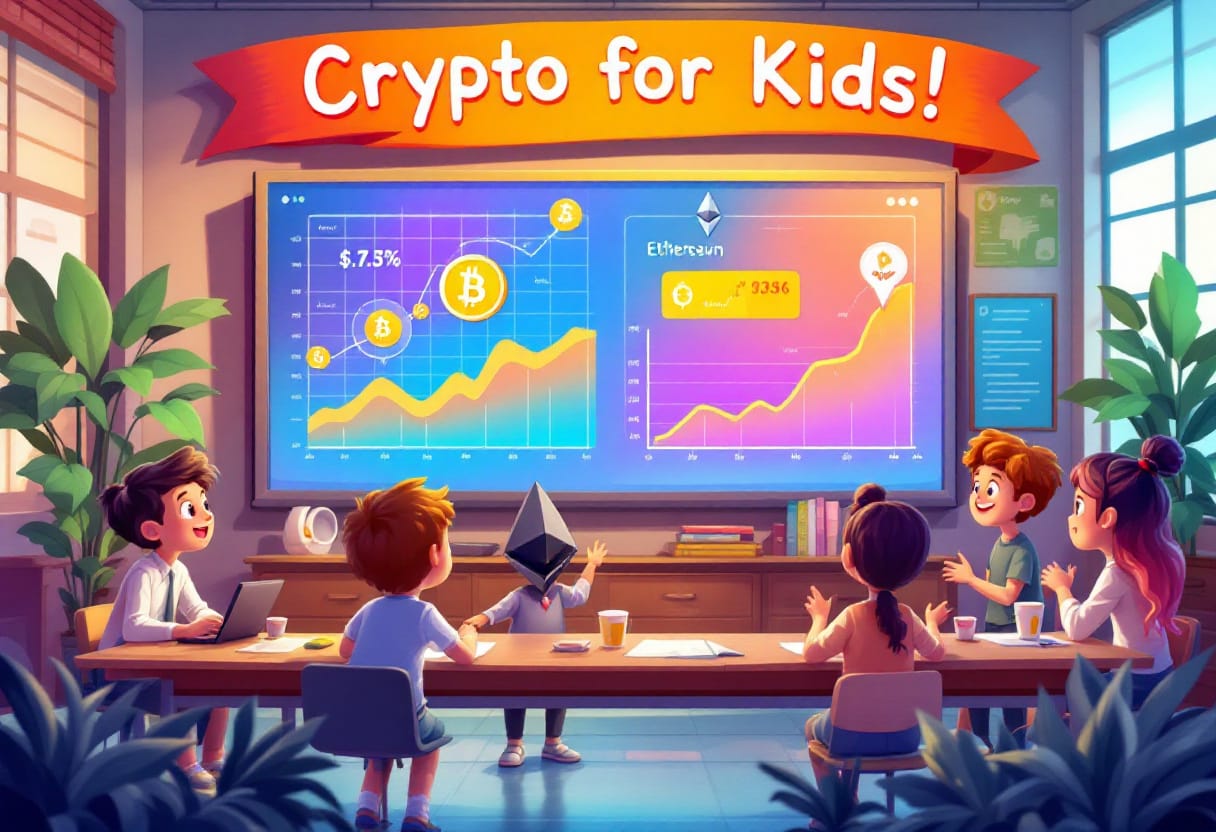
In an era where technology is reshaping every aspect of our lives, it’s no surprise that money is evolving too. While previous generations grew up learning about coins, paper currency, and bank accounts, today’s kids are entering a world where cryptocurrency is rapidly becoming part of the conversation. As digital currencies like Bitcoin, Ethereum, and other blockchain-based assets gain mainstream recognition, it’s essential for young minds to understand this financial revolution. “Crypto for Kids” is about introducing the next generation to the future of money in a fun, engaging, and age-appropriate way. By equipping children with knowledge about cryptocurrency and blockchain technology, we are preparing them to thrive in an increasingly digital economy.
Why Should Kids Learn About Cryptocurrency?
While cryptocurrencies may seem complex to adults who didn’t grow up with them, kids are naturally curious and quick to adapt to technological changes. They’re already comfortable using apps, playing online games, and interacting with digital platforms. Teaching them about cryptocurrency while they’re young helps them develop financial literacy, critical thinking, and an understanding of emerging technologies that will likely shape their future.
In a world where digital payments, blockchain innovations, and decentralized finance (DeFi) are becoming commonplace, introducing kids to the concept of digital money ensures they won’t be left behind. Learning about cryptocurrency not only equips children with knowledge but also fosters an entrepreneurial mindset, encouraging them to think innovatively about how money and technology intersect.
What is Cryptocurrency and How Can Kids Understand It?
To teach kids about cryptocurrency effectively, it’s essential to simplify complex concepts and relate them to familiar ideas. Cryptocurrency can be explained as a type of digital money that exists only online. Unlike traditional money that comes in coins and bills, crypto lives on the internet and uses a special technology called blockchain to keep it safe and secure.
A helpful analogy is comparing cryptocurrency to a video game token. Just like tokens in a video game can be used to buy items or unlock special features, cryptocurrencies can be used to buy things in the digital world. However, unlike game tokens that are tied to a specific game, cryptocurrencies like Bitcoin and Ethereum can be used across various platforms, making them more versatile and valuable.
Understanding Blockchain Through Simple Analogies
Blockchain, the underlying technology behind cryptocurrencies, can be a tricky concept for young minds to grasp. However, using relatable comparisons can make it easier. Think of blockchain as a digital notebook that records every transaction or exchange of money. Once something is written in this notebook, it can’t be erased or changed, ensuring that everything remains secure and trustworthy.
To make this idea even clearer, imagine a group of friends playing a game where they keep score on a shared board. Everyone writes down each move, and because they all agree on the score, no one can cheat or change it. This is similar to how blockchain works—every participant in the network verifies transactions to ensure that the information is accurate and secure.
Making Crypto Fun and Engaging for Kids
Introducing cryptocurrency to kids doesn’t have to be boring or overly technical. There are numerous fun and interactive ways to engage them in the world of crypto. Educational games, apps, and simulations that introduce blockchain concepts can be excellent tools. Platforms like CryptoKitties allow users to buy, sell, and breed digital cats using cryptocurrency, giving kids a hands-on introduction to blockchain technology in a playful and entertaining way.
Similarly, virtual worlds like The Sandbox and Decentraland allow players to build, trade, and interact within blockchain-based environments, demonstrating how digital assets hold real-world value. By engaging kids through these platforms, they can learn about ownership, scarcity, and digital transactions in a way that feels like play rather than work.
Exploring NFTs: Teaching Kids About Digital Ownership
Non-fungible tokens (NFTs) are another exciting avenue to introduce kids to the world of digital assets. NFTs represent ownership of unique digital items, such as art, music, or collectibles. Explaining NFTs to kids can be likened to owning a rare trading card or a one-of-a-kind comic book. Each NFT is unique and cannot be duplicated, giving it value in the digital world.
Children can create their own digital artwork and mint it as an NFT, allowing them to understand the concept of digital ownership and the value of creativity. This hands-on approach not only fosters artistic expression but also introduces them to the idea of monetizing digital assets—a concept that will become increasingly relevant in the future.
Introducing the Concept of Digital Wallets and Security
As kids learn about cryptocurrencies, it’s equally important to teach them about digital wallets and the importance of keeping their digital assets secure. A digital wallet can be compared to a piggy bank, but instead of storing coins and bills, it holds cryptocurrencies. Teaching kids about the importance of private keys and security measures is crucial to instilling responsible digital practices.
Encouraging them to practice safe online behavior, such as never sharing their private keys or passwords, helps them develop good habits that will protect them in the digital world. Additionally, explaining the irreversible nature of blockchain transactions emphasizes the importance of double-checking information before making any transactions.
read more :Wonder Kids earned $160,000 mining cryptocurrency in just seven months
The Future of Money: Preparing Kids for a Digital Economy
As the world moves toward a more digital economy, understanding cryptocurrency will become as essential as knowing how to balance a checkbook or manage a bank account. Kids who grow up with a solid understanding of crypto and blockchain technology will be better prepared to navigate a world where digital payments, smart contracts, and decentralized applications (dApps) are the norm.
Moreover, introducing children to cryptocurrency at an early age encourages them to think critically about money, technology, and innovation. It nurtures an entrepreneurial spirit and inspires them to explore opportunities in the rapidly evolving world of blockchain and digital finance. Whether they become future blockchain developers, crypto investors, or innovators shaping the next wave of Web3 applications, the knowledge gained from understanding cryptocurrency will empower them to make informed decisions and seize new opportunities.
Final Revelation: Empowering Young Minds for the Future of Money
Teaching kids about cryptocurrency isn’t just about preparing them for the future—it’s about empowering them to understand and participate in the digital revolution that is already unfolding. By introducing concepts such as blockchain, NFTs, and digital wallets in an engaging and relatable way, “Crypto for Kids” ensures that young minds develop the financial literacy and technological awareness needed to thrive in a rapidly changing world. As children learn about the future of money, they not only gain a competitive edge but also cultivate a mindset of curiosity, innovation, and adaptability that will serve them well in any field they choose to pursue