
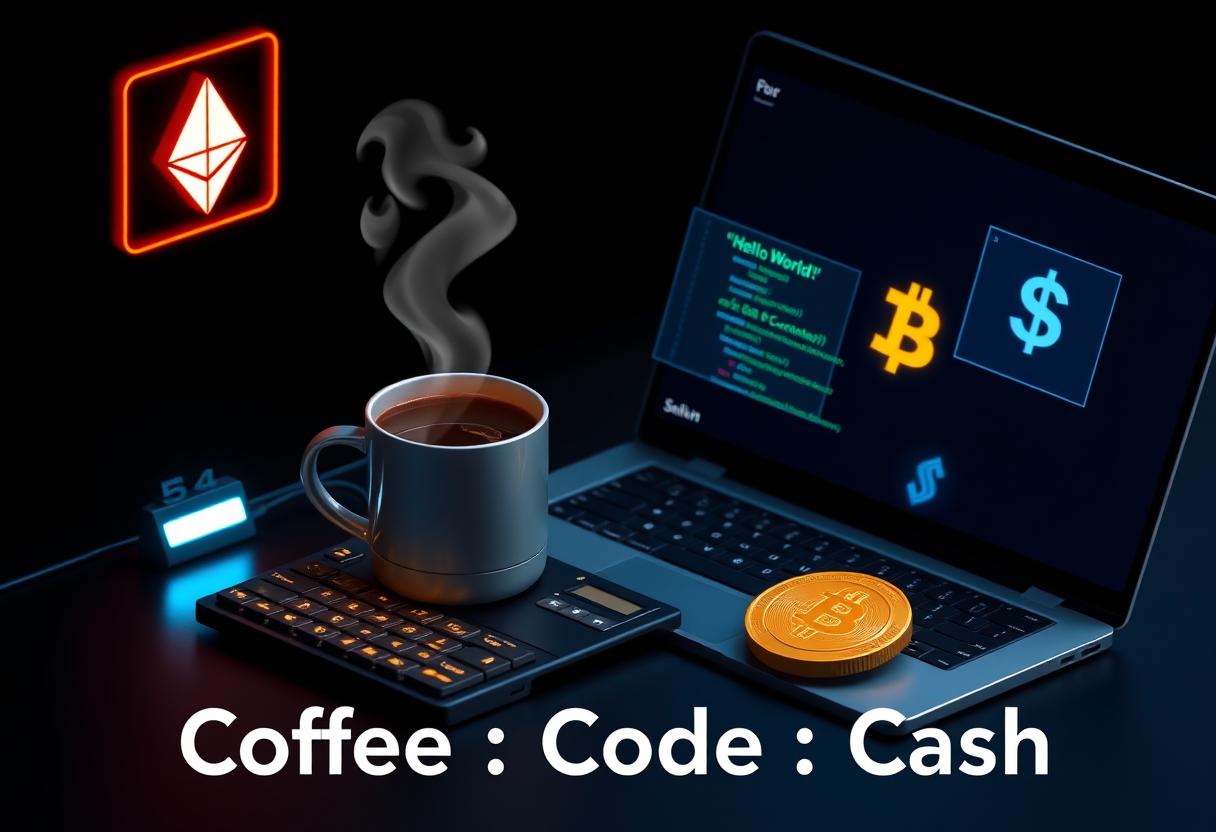
Blockchain Engineer Life: Coffee, Code, and Cash!
The life of a blockchain engineer is an exciting blend of technology, innovation, and, of course, plenty of caffeine. These tech-savvy professionals are at the forefront of the digital revolution, designing and maintaining decentralized systems that power everything from cryptocurrencies to smart contracts and NFTs. While many envision a blockchain engineer’s life as an endless loop of coding, the reality is far more dynamic. It’s a journey filled with challenges, problem-solving, and the constant evolution of skills. From writing lines of complex code to brainstorming the next big blockchain breakthrough, the life of a blockchain engineer is anything but mundane.
Waking Up to the Future of Finance
For blockchain engineers, mornings often start with a hot cup of coffee and a quick scan of the latest crypto news. The blockchain world moves fast, and staying updated is crucial. Markets fluctuate, new protocols emerge, and security vulnerabilities are discovered overnight. Before diving into a day of coding, many engineers catch up on industry trends, regulatory updates, and discussions in developer communities like GitHub, Discord, and Twitter. Unlike traditional software engineers, blockchain developers deal with an ecosystem where decentralization, cryptographic security, and distributed ledger technology redefine how data is managed. They aren’t just writing code; they’re helping to reshape industries like finance, gaming, supply chain management, and even governance. Whether they’re working for a tech startup, a major financial institution, or contributing to open-source projects, every day presents new challenges and opportunities.
The Art of Writing Smart Contracts
One of the primary responsibilities of a blockchain engineer is developing smart contracts. These self-executing contracts run on blockchain networks and are crucial for decentralized applications (dApps). Engineers often use languages like Solidity (for Ethereum-based contracts), Rust (for Solana and Polkadot), or Vyper to write these contracts. Developing a smart contract requires meticulous attention to detail because, unlike traditional software, once deployed on the blockchain, a smart contract cannot be altered. This means rigorous testing, auditing, and security reviews are essential to prevent hacks or exploits. The infamous DAO hack in 2016, which resulted in millions of dollars being stolen, serves as a stark reminder of how critical secure coding practices are in blockchain development.
Debugging, Testing, and More Debugging
Blockchain engineering is not just about writing code—it’s about making sure that code works flawlessly. Engineers spend significant amounts of time debugging and testing their smart contracts and protocols to ensure they are secure and efficient. Automated testing frameworks like Hardhat, Truffle, and Ganache allow developers to simulate blockchain environments before deploying their contracts on a live network. Beyond functional correctness, engineers must also consider factors like gas optimization. Transactions on blockchains like Ethereum come with fees (gas costs), and inefficient code can result in unnecessarily high costs for users. This requires careful structuring of smart contracts to make them as cost-efficient as possible.
Coffee Breaks and Crypto Debates
Blockchain engineers are known for their deep passion for technology, and this often leads to intense discussions during coffee breaks. Topics range from the future of Ethereum’s scalability solutions (Layer 2 protocols) to debates about proof-of-stake vs. proof-of-work consensus mechanisms. These discussions aren’t just theoretical. Many blockchain engineers actively participate in governance decisions for decentralized projects. Decentralized Autonomous Organizations (DAOs) allow developers to vote on protocol upgrades, and their expertise often plays a key role in shaping the direction of major blockchain ecosystems.
Keeping Up with an Ever-Changing Industry
In the world of blockchain, learning never stops. Engineers constantly upskill themselves to keep up with the latest advancements. Whether it’s learning about zero-knowledge proofs, understanding new consensus mechanisms, or experimenting with cross-chain interoperability solutions, blockchain engineers must stay ahead of the curve. Many developers contribute to open-source projects, attend blockchain hackathons, or enroll in advanced cryptography courses. Platforms like Coursera, Udemy, and even the Ethereum Foundation provide continuous learning opportunities. With the rapid evolution of technology, what was considered cutting-edge a year ago might be outdated today.
Blockchain Engineer Life: Coffee, Code, and Cash!
While passion for technology is a significant driving force, let’s not ignore the financial incentives that come with being a blockchain engineer. Due to the high demand for skilled professionals, blockchain developers often earn top-tier salaries. Entry-level blockchain engineers can earn six-figure salaries, while experienced developers working on high-profile projects can make well into the millions through salaries, grants, and token incentives. Moreover, many engineers explore additional revenue streams such as bug bounties, freelancing, or launching their own blockchain-based startups. Some also invest in cryptocurrency projects they believe in, using their technical expertise to assess promising blockchain technologies and protocols.
The Work-Life Balance Myth
Despite the financial rewards and excitement, being a blockchain engineer isn’t always glamorous. Like any tech-driven profession, it comes with tight deadlines, late-night debugging sessions, and pressure to deliver secure and scalable solutions. Engineers working in startups or decentralized projects may experience irregular working hours, especially when launching new updates or mainnet releases. However, the decentralized nature of blockchain work allows for flexibility. Many blockchain engineers work remotely, contributing to global projects from anywhere in the world. Whether coding from a co-working space in Bali or attending a crypto conference in Lisbon, blockchain development offers a unique blend of autonomy and collaboration.
Future Prospects: Where Is Blockchain Engineering Headed?
The future of blockchain engineering is incredibly bright. With growing adoption in industries beyond cryptocurrency, such as supply chain management, healthcare, and digital identity, the demand for skilled blockchain developers continues to rise. Emerging trends like quantum-resistant cryptography, decentralized finance (DeFi) innovations, and the integration of artificial intelligence with blockchain present new opportunities and challenges for engineers. Those who stay ahead of these developments will play a crucial role in shaping the digital future.
Final Thoughts
Being a blockchain engineer isn’t just about coding—it’s about innovation, problem-solving, and being part of a global movement that is redefining trust and ownership in the digital world. Whether it’s securing decentralized applications, optimizing smart contracts, or debating the next big blockchain upgrade over a cup of coffee, the life of a blockchain engineer is dynamic, challenging, and highly rewarding. If you love technology, enjoy pushing boundaries, and don’t mind a few sleepless nights debugging code, then this might just be the perfect career for you!
Read More : Who Is A Blockchain React Engineer And Top 7 Ways To Become One?
Stay informed with daily updates from Blockchain Magazine on Google News. Click here to follow us and mark as favorite: [Blockchain Magazine on Google News].
Disclaimer
Blockchain Magazine publishes content submitted by third-party agencies, partners, and clients. Any such posts are categorized and tagged accordingly:
- Sponsored Content: Posts labeled as "Sponsored" are paid placements submitted by third-party agencies or clients. Blockchain Magazine does not endorse or express any views regarding the information contained in these posts. The opinions expressed belong solely to the respective authors and do not reflect the official policy or position of Blockchain Magazine.
- Press Releases: Posts labeled as "Press Release" are paid PR submissions provided by our partners and clients. These are published as received and should be considered as promotional content.
The information provided in such posts is strictly for informational purposes only and should not be interpreted as financial, investment, or professional advice. Blockchain Magazine does not recommend, endorse, or promote any specific products, services, or companies mentioned. Readers are strongly encouraged to conduct independent research and consult with a qualified professional before making any financial or investment decisions.
Additionally, all featured images accompanying such posts are intended as creative depictions of the subject matter. There is no intent to offend or misrepresent any individual, institution, or entity. If any content or imagery is found to be objectionable, please reach out to us at [email protected], and we will promptly review the concern.
About the Author: Veronica Cruz





Get Blockchain Insights In Inbox
Stay ahead of the curve with expert analysis and market updates.