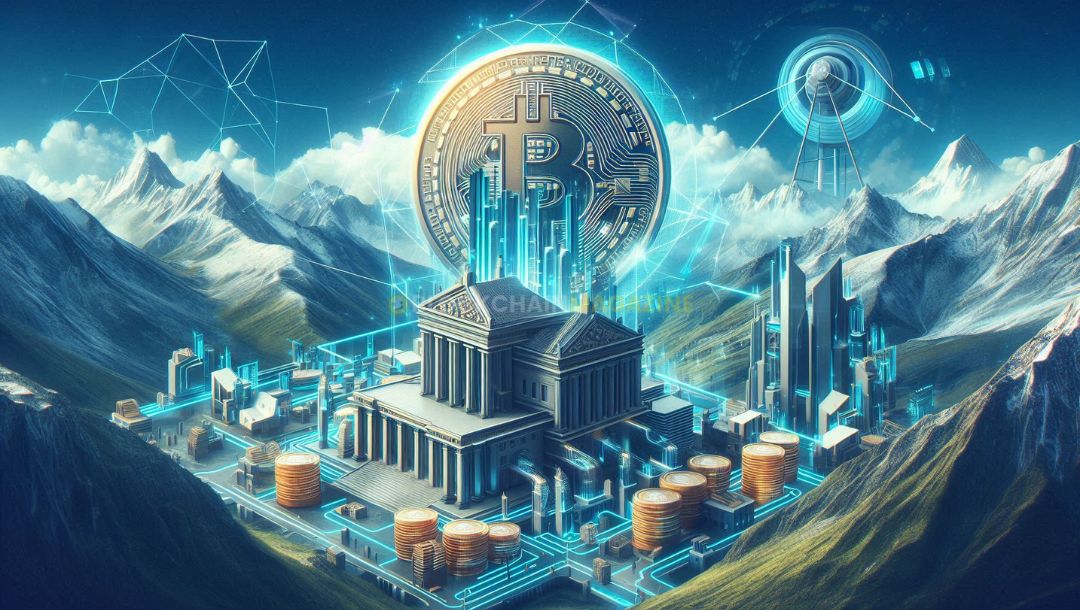

2025: The Year Tokenization of Real-World Assets Goes Mainstream
The Rise of Asset Tokenization in 2025
As we move into 2025, the tokenization of real-world assets (RWAs) is no longer a futuristic vision—it has become an economic force reshaping financial markets across the globe. The seamless integration of blockchain technology into asset management is redefining how investments are structured, enabling fractional ownership, improving liquidity, and lowering barriers to entry for retail investors. Institutional players, regulatory authorities, and financial stakeholders are actively embracing this shift, acknowledging the unparalleled advantages that tokenization brings to modern economies.
Understanding Asset Tokenization
Tokenization is the process of converting tangible or intangible assets into digital tokens that reside on a blockchain. These tokens function as proof of ownership, enabling investors to buy and sell portions of high-value assets such as real estate, precious metals, fine art, equities, and even debt instruments. By leveraging blockchain’s inherent transparency, security, and efficiency, tokenization is poised to disrupt traditional asset trading and management practices.
How Asset Tokenization Works
The journey of asset tokenization begins with identifying a suitable asset, whether it be physical property, a financial instrument, or a rare collectible. A digital representation of this asset is then created in the form of blockchain-based tokens, each of which signifies a share of ownership. Smart contracts—self-executing agreements coded into the blockchain—govern the transfer, trade, and management of these tokens, ensuring that transactions remain seamless, secure, and automated.
To remain compliant with financial regulations, tokenized assets must adhere to jurisdiction-specific legal frameworks that safeguard investors and uphold legitimacy. Once these assets are successfully tokenized, they can be traded on centralized and decentralized exchanges, enhancing accessibility for both institutional and retail investors.
Key Industries Driving the Tokenization Revolution
Real Estate: Unlocking New Investment Frontiers
Real estate has been among the first industries to embrace tokenization, providing a practical solution to the market’s liquidity constraints. Historically, real estate investment has required substantial capital and long-term commitments, restricting access for smaller investors. However, tokenization breaks down these barriers by allowing properties to be divided into fractional shares. As a result, investors can own portions of high-value properties, trade their holdings with ease, and enjoy newfound liquidity in a traditionally illiquid market.
Commodities and Precious Metals: A Digital Approach to Tangible Wealth
The tokenization of commodities such as gold, silver, and oil is revolutionizing how investors gain exposure to physical assets. Unlike traditional commodity investments, which often involve cumbersome storage and security concerns, tokenized assets provide an efficient and accessible way to own and trade these resources. Investors can now diversify their portfolios by acquiring fractional ownership of precious metals, all while eliminating the logistical challenges associated with physical storage.
Art and Collectibles: Democratizing the High-End Market
The art world, long dominated by elite collectors and auction houses, is undergoing a radical transformation through tokenization. Masterpieces from renowned artists can now be fractionalized into tokens, enabling a broader audience to invest in historically exclusive assets. This shift is not only democratizing art investment but also increasing liquidity within a market that was previously constrained by lengthy auction cycles and private sales.
Equities and Securities: Revolutionizing Stock Ownership
The stock market is no exception to the tokenization trend. By digitizing equities and securities, companies can offer investors direct, transparent access to ownership stakes without the need for intermediaries. Tokenized stocks and private equity investments bring increased efficiency, lower transaction costs, and faster settlement times, streamlining the traditional trading process.
Debt and Fixed Income: Transforming Financial Instruments
Debt markets are also embracing tokenization, particularly in the form of tokenized bonds and loans. By replacing traditional debt issuance processes with blockchain-based alternatives, tokenization simplifies capital markets, reduces counterparty risk, and enhances liquidity in fixed-income investments. Investors can seamlessly trade and manage tokenized debt instruments, contributing to a more efficient and secure financial ecosystem.
The Evolving Regulatory Landscape
Regulatory frameworks play a pivotal role in shaping the future of asset tokenization. As governments and financial authorities strive to balance innovation with investor protection, new policies are emerging to provide legal clarity and security for tokenized assets. Organizations such as the U.S. Securities and Exchange Commission (SEC) and the European Union’s Markets in Crypto-Assets (MiCA) regulation are establishing clear guidelines to govern tokenized investments.
Challenges and Regulatory Considerations
Despite significant progress, several regulatory challenges remain:
- Defining and enforcing legal ownership of tokenized assets across jurisdictions.
- Establishing uniform compliance measures to prevent financial crimes such as money laundering.
- Addressing cybersecurity risks to protect digital assets from fraud and hacking attempts.
- Developing transparent frameworks that promote investor confidence while fostering innovation.
As these regulatory hurdles are addressed, tokenization will continue its trajectory toward mainstream adoption, fostering a secure and transparent financial landscape.
Blockchain’s Role in Enabling Tokenization
Blockchain technology is the backbone of asset tokenization, providing an immutable, decentralized infrastructure that enhances security and efficiency. Key benefits include:
- Transparency: Every transaction is recorded on a public ledger, ensuring verifiability and trust.
- Security: Cryptographic encryption protects ownership records from tampering and fraud.
- Automation: Smart contracts streamline transactions, reducing reliance on intermediaries.
- Efficiency: By eliminating manual paperwork and third-party processing, tokenization significantly lowers transaction costs and settlement times.
The Profound Impact on Global Finance
The widespread adoption of tokenization is poised to reshape financial markets worldwide. Among its most transformative advantages are:
- Increased Market Efficiency: Automated smart contracts reduce administrative burdens and enhance transaction speed.
- Expanded Investment Opportunities: Previously inaccessible asset classes are now within reach for everyday investors.
- Enhanced Security Measures: Blockchain’s decentralized structure safeguards against fraudulent activities and counterfeiting.
- Financial Inclusion: Tokenization enables cross-border investments, bringing economic opportunities to emerging markets and underbanked populations.
What Lies Ahead for Asset Tokenization?
The momentum behind asset tokenization is undeniable, with institutional adoption, regulatory evolution, and technological advancements accelerating its mainstream acceptance. In the coming years, we anticipate:
- Greater integration of tokenized assets into traditional financial systems.
- Enhanced interoperability between blockchain networks to facilitate seamless asset transfers.
- The rise of decentralized financial platforms that leverage tokenization for peer-to-peer lending and investment.
- A more inclusive investment ecosystem, where tokenized assets bridge the gap between institutional and retail investors.
The Dawn of a Financial Revolution
Tokenization is not merely a passing trend—it is a groundbreaking transformation that is redefining financial markets as we know them. With ongoing advancements in blockchain technology, strengthened regulatory clarity, and increasing institutional interest, the tokenization of real-world assets is set to become the cornerstone of modern finance. Those who recognize and embrace this evolution in 2025 will be at the forefront of a more efficient, transparent, and inclusive financial future.Tokenization of Real-World Assets
Stay informed with daily updates from Blockchain Magazine on Google News. Click here to follow us and mark as favorite: [Blockchain Magazine on Google News].
Disclaimer
Blockchain Magazine publishes content submitted by third-party agencies, partners, and clients. Any such posts are categorized and tagged accordingly:
- Sponsored Content: Posts labeled as "Sponsored" are paid placements submitted by third-party agencies or clients. Blockchain Magazine does not endorse or express any views regarding the information contained in these posts. The opinions expressed belong solely to the respective authors and do not reflect the official policy or position of Blockchain Magazine.
- Press Releases: Posts labeled as "Press Release" are paid PR submissions provided by our partners and clients. These are published as received and should be considered as promotional content.
The information provided in such posts is strictly for informational purposes only and should not be interpreted as financial, investment, or professional advice. Blockchain Magazine does not recommend, endorse, or promote any specific products, services, or companies mentioned. Readers are strongly encouraged to conduct independent research and consult with a qualified professional before making any financial or investment decisions.
Additionally, all featured images accompanying such posts are intended as creative depictions of the subject matter. There is no intent to offend or misrepresent any individual, institution, or entity. If any content or imagery is found to be objectionable, please reach out to us at [email protected], and we will promptly review the concern.
About the Author: Veronica Cruz




Get Blockchain Insights In Inbox
Stay ahead of the curve with expert analysis and market updates.