Top DeFi Crypto List: Must-Have Tokens for Your 2025 Investment Portfolio
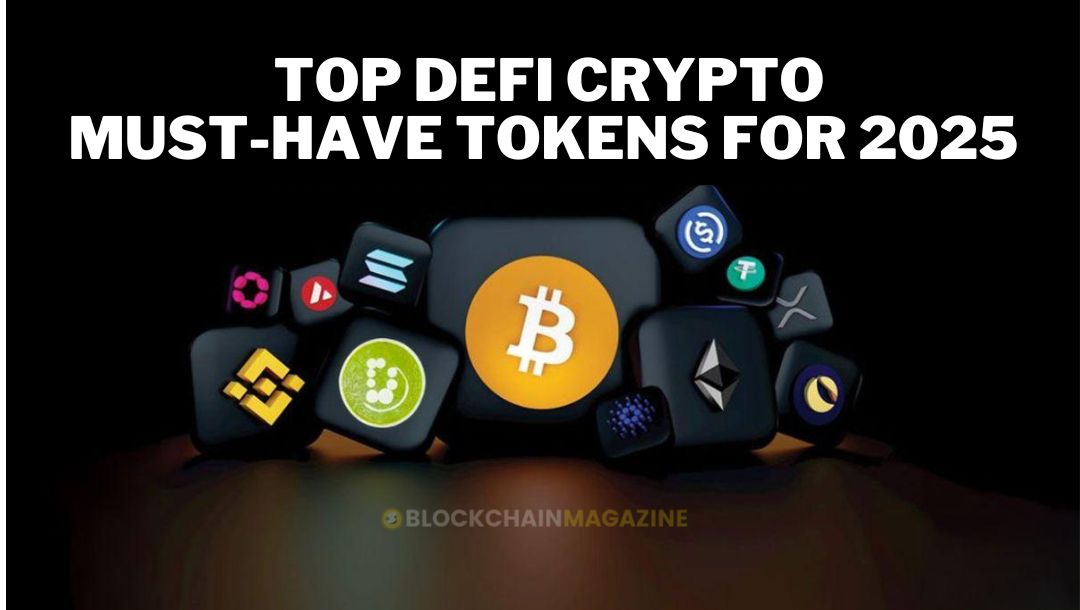
Thinking about where to put your money in 2025? Cryptocurrencies are still the talk of the town, and DeFi tokens are catching everyone’s eye. With all the buzz around digital assets, picking the right ones for your investment portfolio can feel like trying to solve a puzzle. So, let’s break it down and look at some top DeFi cryptos that might just be the perfect fit for your 2025 investment strategy.
Key Takeaways
- Bitcoin remains a staple in any crypto portfolio, known for its stability and widespread adoption.
- Ethereum continues to shine with its smart contract capabilities, attracting developers worldwide.
- Binance Coin supports the Binance ecosystem, offering transaction fee discounts and more.
- Solana is gaining attention for its high-speed transactions and growing developer community.
- Ripple, with its focus on cross-border payments, is still a strong contender in the crypto space.
1. Bitcoin
Bitcoin, the granddaddy of all cryptocurrencies, continues to be the leading force in the crypto world. Since its inception in 2009, Bitcoin has not only captured the imagination of tech enthusiasts but has also become a staple in many investment portfolios. It’s the most recognized and trusted digital currency out there.
Bitcoin operates on a decentralized network using a Proof of Work consensus mechanism, which means transactions are verified by miners who solve complex mathematical problems. This process, while energy-intensive, ensures the security and integrity of the blockchain.
Pros of Bitcoin
- Widespread Recognition: As the pioneer of cryptocurrencies, Bitcoin enjoys a level of trust and recognition that newer coins are still striving to achieve.
- Liquidity: Bitcoin’s market is highly liquid, making it easy to buy and sell.
- Store of Value: Many investors view Bitcoin as a digital gold, a hedge against inflation and economic uncertainty.
Cons of Bitcoin
- Energy Consumption: The mining process consumes a significant amount of electricity, raising environmental concerns.
- Volatility: Despite its stability compared to other cryptos, Bitcoin can still experience significant price swings.
- Scalability Issues: Bitcoin’s network can become congested, leading to slower transaction times and higher fees.
Bitcoin’s influence on the broader crypto market is undeniable. Its performance often sets the tone for other cryptocurrencies, making it a barometer for the entire industry.
In 2025, Bitcoin remains a must-have in any serious crypto investor’s portfolio. Its resilience and continued adoption, both institutional and retail, underline its potential for growth and stability in the years to come.
2. Ethereum
Ethereum is a powerhouse in the world of cryptocurrency, second only to Bitcoin in terms of market cap. It’s the go-to platform for decentralized applications and smart contracts. This makes Ethereum a central player in the DeFi space.
Ethereum’s transition to a Proof of Stake (PoS) consensus mechanism has significantly improved its efficiency. This shift not only reduces energy consumption but also enhances the network’s security and scalability. However, the network can still experience congestion, leading to higher transaction fees and slower processing times.
Pros of Ethereum
- Dominant in DeFi and dApp markets: Ethereum’s vast ecosystem makes it a leader in these spaces.
- Efficient PoS mechanism: This upgrade has made Ethereum more environmentally friendly and secure.
Cons of Ethereum
- Network congestion: High traffic can slow down transactions.
- Variable transaction fees: Costs can spike during peak times, sometimes exceeding the transaction’s value.
Ethereum’s robust technical structure and strong investor confidence fuel its positive momentum. With ongoing upgrades, it continues to be a top choice for developers and investors alike.
For those looking to diversify their investment portfolio in 2025, Ethereum remains a strong contender, offering both stability and potential for growth.
3. Binance Coin
Binance Coin (BNB) has made quite a name for itself since its launch in 2017. Originally, it was just a simple token meant to offer perks on the Binance exchange, like reduced fees and exclusive access to certain offerings. Fast forward to today, and BNB is powering its own ecosystem. It’s become a major player in the crypto world, particularly with the rise of the BNB Chain.
BNB Chain is known for its high speed and low transaction costs, making it a competitive alternative to Ethereum. This kind of efficiency is crucial for handling the increasing demand in the crypto space. But it’s not just about speed and cost—owning BNB gives you benefits on the Binance platform, which is a big deal for traders.
Here’s a quick look at some pros and cons of BNB:
Pros:
- Low transaction costs and high throughput.
- Offers benefits on the Binance exchange, like lower trading fees.
Cons:
- Highly centralized, as it’s controlled by Binance.
- Its success is closely tied to Binance, which faces scrutiny from regulators in several countries.
BNB’s journey from a simple exchange token to a key player in its own right is a testament to its adaptability and the trust it has garnered from users.
For those looking to diversify their crypto portfolio, BNB presents a versatile option. As Binance continues to expand its services, the use cases for BNB are likely to grow, making it an attractive choice for those wanting to tap into the crypto landscape. If you’re interested in exploring more about potential crypto investments, including meme coins with potential, BNB should definitely be on your radar.
4. Solana
Solana is all about speed and cost-effectiveness in the crypto world. It’s like the Usain Bolt of blockchains, capable of handling around 65,000 transactions per second. This is thanks to its unique Proof of History mechanism, which keeps everything in sync without the usual delays. Many see Solana as a serious contender to Ethereum’s dominance in the DeFi space.
Key Features of Solana
- Speed: Transactions are almost instant, making it one of the fastest blockchains available.
- Low Fees: With transaction costs averaging around $0.00025, it’s incredibly affordable.
- Developer-Friendly: Solana’s architecture is tailored for NFTs and DeFi, attracting a lot of developer interest.
Pros and Cons
Pros
- Fast transaction speeds make it popular with users and developers.
- Low costs encourage more transactions and usage.
Cons
- Limited interoperability with Ethereum, which can be a hurdle for some projects.
- Occasional network outages have raised reliability concerns.
Solana’s rapid growth and focus on innovation make it a blockchain to watch. Its commitment to improving scalability and reducing costs could make it a top choice for developers and investors alike.
5. Ripple
Ripple’s XRP token is making waves in the crypto world, especially for those interested in cross-border payments. Unlike many other cryptocurrencies that focus on general use, XRP is laser-focused on solving payment issues for banks and financial institutions. This is what sets Ripple apart from the rest.
Why Choose Ripple?
- Speed: Ripple allows international settlements in seconds, a stark contrast to the hours or even days required by traditional systems like SWIFT.
- Partnerships: Ripple has collaborated with numerous financial institutions, making it a strong contender in the financial sector.
- Cost-Effective: Lower transaction costs make it an attractive option for large-scale financial operations.
Considerations
- Centralization: Unlike other decentralized cryptocurrencies, XRP transactions are confirmed by a group of financial institutions, making it more centralized.
- Legal Issues: Ripple Labs is currently in a legal battle with the US Securities and Exchange Commission, which could impact its future.
Ripple is not just a cryptocurrency; it’s a bridge between blockchain technology and real-world financial systems. Its ability to facilitate quick and cost-effective transactions makes it a key player in the future of finance.
6. Dogecoin
Dogecoin, originally launched as a parody of Bitcoin, has evolved into a major player in the crypto world. It’s not just a joke anymore. This digital currency, inspired by the popular “Doge” meme, has captured the hearts of many with its fun and friendly image. Dogecoin’s community is one of its strongest assets, driving its success and maintaining its popularity.
Why Consider Dogecoin?
- Community Power: Dogecoin boasts a vibrant and active community that rallies around its meme-based origins. This community is crucial in keeping the coin relevant and engaging.
- Low Transaction Fees: It’s a top choice for microtransactions and charitable donations due to its low fees.
- Celebrity Endorsements: Big names like Elon Musk have publicly supported Dogecoin, adding to its appeal and visibility.
Potential Drawbacks
- Inflation Concerns: Unlike Bitcoin, Dogecoin doesn’t have a cap on its supply, which can lead to inflation.
- Lack of Intrinsic Value: As a memecoin, its value is largely driven by community sentiment rather than real-world utility.
“Dogecoin’s charm lies in its simplicity and the strong community backing it. It’s a reminder that sometimes, fun can be a serious contender in the investment world.”
For those eyeing promising altcoins as Bitcoin approaches the $100k mark, Dogecoin’s unique position in the market makes it an intriguing option for potential high returns. Despite its volatility, its community-driven approach offers a distinctive edge in a bullish market.
7. Polkadot
Polkadot is a unique player in the blockchain universe, known for its interoperability. This means it can connect multiple blockchains, allowing them to work together. Imagine different blockchains as islands with their own languages and cultures. Polkadot acts like a translator, helping them communicate and share resources.
Key Features of Polkadot:
- Interoperability: Connects various blockchains, enabling them to share data and assets seamlessly.
- Developer-Friendly: A popular choice for developers wanting to create decentralized applications (dApps).
- Scalability: Designed to handle many transactions at once, making it more efficient.
Pros of Polkadot
- Interoperability: This is Polkadot’s biggest advantage, allowing different blockchains to access each other’s data and assets.
- Active Development Community: One of the most bustling platforms for developers to build on.
Cons of Polkadot
- Competition: Faces stiff competition from other platforms like Cardano and Cosmos.
- Auction-Based Slot System: Independent blockchains need to win an auction to join, which can be costly.
Polkadot stands out with its vision of a connected blockchain world, but it faces challenges in a competitive landscape. As it continues to evolve, its success will depend on its ability to maintain its edge in interoperability and scalability.
8. Shiba Inu
Shiba Inu, often dubbed the “Dogecoin killer,” has made waves in the crypto world. This meme-inspired token, with its playful dog mascot, has captured the imagination of many. But what makes Shiba Inu noteworthy for investors eyeing 2025?
- Meme Power: Like its predecessor Dogecoin, Shiba Inu thrives on its meme status. This has helped it carve out a niche in the crowded crypto market. Its vibrant community is a testament to its popularity.
- Shibaswap: This decentralized exchange is a key part of the Shiba ecosystem. It allows users to trade and stake tokens, enhancing community engagement.
- Potential Growth: Shiba Inu’s potential listing on major platforms like Robinhood could boost its trading volume and accessibility.
Shiba Inu is more than just a meme; it’s a community-driven project with aspirations of expanding its utility in the crypto space.
Pros
- Strong Brand: Shiba Inu has built a recognizable brand, leveraging its meme-friendly appeal.
- Community Engagement: The Shibaswap platform fosters an active community around the token.
- Accessibility: Potential listings on major trading platforms could increase its reach.
Cons
- High Volatility: Shiba Inu’s price can fluctuate wildly, posing risks for short-term investors.
- Limited Utility: Despite its popularity, Shiba Inu’s real-world applications are still limited.
- Market Competition: As a meme token, it faces stiff competition from similar projects.
For those considering adding Shiba Inu to their portfolio, it’s crucial to weigh its potential against its risks. As with any investment, thorough research is key. To explore more about promising crypto investments, check out Shiba Inu and other top contenders.
9. Cardano
Cardano is a decentralized blockchain platform that’s making waves with its unique approach to smart contracts and peer-to-peer transactions. Unlike some other blockchains, Cardano uses a Proof-of-Stake (PoS) algorithm, which is much more energy-efficient, making it an attractive option for those concerned about the environmental impact of blockchain technology.
Pros of Cardano
- Energy Efficiency: Thanks to its PoS algorithm, Cardano consumes less energy than traditional Proof-of-Work systems, leading to lower transaction costs and a reduced carbon footprint.
- Scalability: Cardano is designed to support a high number of transactions per second, making it a scalable solution for decentralized applications (DApps) and smart contracts.
- Security: With the use of the Haskell programming language, Cardano offers a secure environment for developing complex smart contracts and DApps.
Cons of Cardano
- Limited Adoption: Despite its potential, Cardano hasn’t yet achieved the level of adoption seen by more established platforms like Ethereum, which means fewer DApps and smart contracts are available.
- Centralization Concerns: Some critics argue that Cardano may not be fully decentralized, raising questions about token distribution and governance.
Cardano’s commitment to innovation and its structured development approach make it a reliable player in the crypto market. As it continues to evolve, Cardano could become a major contender in the blockchain space.
Looking ahead, Cardano’s price predictions suggest that ADA could see significant growth by the end of 2025. With its strong technical foundation and growing ecosystem, Cardano remains a promising option for investors.
10. Avalanche
Avalanche is making waves in the crypto world, and for good reason. It’s designed to handle thousands of transactions per second in a trustless and decentralized manner. This makes it a top pick for anyone looking to invest in a fast and secure blockchain solution. Avalanche offers the flexibility to customize blockchain networks to meet specific user needs, which is a huge draw for developers and enterprises.
Key Features of Avalanche
- Rapid Transaction Processing: Avalanche processes transactions quickly, which is crucial for users who need speed.
- Incentives for Participation: The network rewards active participants, encouraging more engagement.
- Versatile Support: Avalanche supports a wide range of blockchain projects, making it a versatile platform for developers.
Challenges Facing Avalanche
- Competition from Ethereum: Ethereum is a big player in the blockchain world, and Avalanche has to work hard to gain market share.
- High Validator Staking Requirement: To become a validator, you need to stake 2,000 AVAX tokens, which can be a barrier for some.
- Lack of Penalties for Validators: There’s no penalty for validators who misbehave, which could affect the network’s security.
Avalanche’s innovative consensus protocol allows for quick transaction confirmations, making it appealing for those seeking interoperable blockchain solutions. As the market analysts forecast that Avalanche’s price will remain above $27.20 in March 2025, it’s clear that this crypto has a promising future.
Why Consider Avalanche for Your Portfolio?
- Performance and Flexibility: Avalanche’s ability to adapt to different blockchain needs makes it a strong contender.
- Growing Popularity: As more developers choose Avalanche for their projects, its popularity and value are likely to increase.
- Investment Potential: With its unique features and growing adoption, Avalanche is a promising option for those looking to diversify their crypto investments.
11. Lido
Lido is a standout in the world of decentralized finance, offering a liquid staking solution for major blockchains like Ethereum, Polygon, and Solana. Since its inception in 2020, Lido has grown significantly, boasting a total value locked (TVL) of $13.9 billion. The platform’s native token, LDO, plays a crucial role in its ecosystem.
Lido’s primary appeal lies in its ability to allow users to stake their cryptocurrencies without losing liquidity. When you stake with Lido, you receive tokens that represent your staked assets, such as stETH for Ethereum, stMATIC for Polygon, and stSOL for Solana. These tokens can be used across various DeFi protocols, providing flexibility and additional earning potential.
Key Features of Lido:
- Multi-Blockchain Support: Lido supports Ethereum, Polygon, and Solana, making it a versatile choice for investors looking to diversify their staking.
- Liquidity Retention: By receiving tokens that represent your staked assets, you maintain liquidity and can still participate in other DeFi activities.
- Decentralized Governance: Lido operates with a decentralized governance model, allowing LDO token holders to have a say in the platform’s future.
Lido offers a unique blend of staking convenience and liquidity, making it an attractive option for those wary of traditional exchanges and their complexities.
However, it’s important to be aware of the risks. The tokens you receive are pegged to the value of the underlying cryptocurrencies, and market volatility can lead to potential depegging. Additionally, while Lido has a strong security track record, the inherent risks of smart contracts remain. As always, it’s wise to do your research and consider the risks before investing.
12. AAVE
Aave is a standout in the DeFi world, known for its innovative approach to crypto lending and borrowing. Launched back in 2017, this protocol has grown into a multi-chain platform operating on Ethereum, Polygon, Avalanche, Arbitrum, Optimism, Base, Metis, Fantom, and Harmony. What makes Aave special is its ability to offer flash loans, a unique feature that allows users to borrow instantly and without collateral, provided the loan is returned within the same transaction.
Aave’s native token, AAVE, plays a crucial role in the ecosystem. It’s not just a governance token but also offers staking opportunities for users to earn rewards. The platform’s total value locked (TVL) is impressive, sitting at around $4.5 billion, showcasing its significant presence in the DeFi space.
Key Features of AAVE:
- Multi-Chain Support: Operates across multiple blockchains, enhancing its accessibility and utility.
- Flash Loans: Allows for instant borrowing without collateral, a first in the DeFi space.
- Interest Rate Options: Users can choose between stable and variable interest rates for borrowing, providing flexibility.
Aave has transformed the way we think about DeFi lending. Its innovative features, like flash loans, have set a new standard for what’s possible in decentralized finance. As the DeFi landscape continues to evolve, Aave remains at the forefront, pushing boundaries and offering users a versatile and dynamic platform.
13. Uniswap
Uniswap is a big name in the world of decentralized exchanges, often abbreviated as DEX. It’s built on the Ethereum blockchain and allows users to trade various ERC-20 tokens without the need for a middleman. This peer-to-peer platform uses smart contracts to facilitate automated transactions.
Key Highlights of Uniswap:
- Automated Market Maker (AMM): Uniswap uses this system to allow users to trade tokens directly from their wallets. No need for order books or centralized control.
- Liquidity Pools: Users can contribute to liquidity pools and earn a share of the transaction fees. This provides a passive income opportunity for many crypto enthusiasts.
- Governance Token – UNI: Holders of the UNI token can participate in the governance of the platform, voting on changes and proposals.
Why Uniswap is Essential for Your Portfolio
- Wide Range of Tokens: With its almost zero listing fee, Uniswap supports a vast number of tokens. This means more options for trading and investing.
- Decentralized Control: No central authority means more freedom and privacy for users.
- Growing Ecosystem: As Ethereum DeFi developers express optimism about Uniswap V4, the platform is expected to rejuvenate its ecosystem, making it a promising investment.
Uniswap has revolutionized the way we think about trading cryptocurrencies. Its decentralized nature doesn’t just provide control back to the users but also opens up a world of opportunities for earning through liquidity provision.
Here’s a quick look at some of Uniswap’s current stats:
| Metric | Value |
|---|---|
| Market Cap | $9.21 Billion |
| Total Value Locked (TVL) | $3.13 Billion |
| Token Price | $9 |
Uniswap continues to be a vital player in the DeFi space, offering both seasoned and new investors a platform to explore a diverse range of digital assets.
14. Yearn.Finance
Yearn.Finance, often recognized by its token symbol $YFI, is a standout entity in the DeFi space, mainly due to its unique feature of yield aggregation. What sets Yearn apart is its ability to simplify yield farming for its users. By pooling various yield farming strategies into one platform, it offers a convenient option for those looking to maximize their returns without diving deep into the complexities of the DeFi world.
Key Features of Yearn.Finance
- Yield Aggregation: Yearn.Finance collects the best yield farming strategies in one place, making it easier for users to earn returns on their investments.
- Low Supply, High Value: With a total supply of only around 36,000 tokens, $YFI is known for its high value, a factor that appeals to many investors.
- Community-Driven: The platform is heavily influenced by its community, which plays a crucial role in its development and governance.
Market Performance
Yearn.Finance has shown remarkable resilience in the volatile crypto market. Despite fluctuations, it remains a favorite among DeFi enthusiasts. For those interested in its future potential, exploring potential price predictions for yearn.finance (YFI) could provide valuable insights.
Yearn.Finance offers a streamlined approach to yield farming, making it accessible for both seasoned investors and newcomers. Its ability to aggregate multiple strategies into one platform is a game-changer in the DeFi landscape.
In summary, Yearn.Finance is not just another DeFi project; it’s a comprehensive platform that simplifies complex investment strategies, making it a must-have in any diversified crypto portfolio.
15. Curve Finance
Curve Finance is a standout player in the world of decentralized finance, or DeFi for short. Established in 2020, Curve has carved out a niche as a go-to platform for exchanging stablecoins with minimal fees and slippage. What makes Curve unique is its focus on stablecoins, which are cryptocurrencies pegged to real-world assets like the US dollar. This focus allows for more predictable and stable trading experiences.
Curve operates on multiple blockchains, including Ethereum, Arbitrum, Polygon, and more, making it widely accessible. The platform uses liquidity pools, similar to those found on platforms like Uniswap, to facilitate trades. Liquidity providers are rewarded with a share of the trading fees, making it an attractive option for those looking to earn passive income.
Key Features of Curve Finance
- Stablecoin Specialization: Unlike many other DeFi platforms, Curve is designed specifically for stablecoins, which helps in maintaining low volatility.
- Multi-Chain Support: Curve is available on several blockchains, enhancing its reach and usability.
- Liquidity Rewards: By providing liquidity, users can earn a portion of the trading fees, which are distributed among all providers.
Curve’s governance token, CRV, plays a significant role in the platform’s ecosystem. Users holding CRV can participate in governance decisions, influencing the future direction of the platform. The voting power is “time-weighted,” meaning the longer you hold CRV, the more influence you have.
Curve’s platform facilitates institutional participation in decentralized finance (DeFi), providing a reliable entry point for traditional financial institutions.
For those looking to maximize their returns, Curve offers additional benefits through its VECRVS tokens. These tokens can boost pool rewards and even provide fee refunds. This makes Curve not just a trading platform but a community-driven ecosystem where user participation directly impacts its evolution.
In summary, Curve Finance is a crucial component of the DeFi landscape, offering unique opportunities for both traders and liquidity providers. Its focus on stablecoins, combined with its innovative governance model, makes it a must-consider for anyone diving into the DeFi space.
16. Compound Finance
Compound Finance is a trailblazer in the DeFi space, renowned for its lending protocol that allows users to earn interest on their crypto holdings or take out loans without traditional banks. This decentralized approach has reshaped how people engage with financial assets.
Founded in 2018, Compound operates primarily on the Ethereum blockchain but has expanded to include Polygon, Base, and Arbitrum. The platform boasts a total value locked (TVL) of $1.8 billion, showcasing its significant impact in the DeFi world.
Key Features of Compound Finance
- Lending and Borrowing: Users can deposit a variety of digital assets into Compound’s liquidity pools to earn interest, while borrowers can secure loans by providing collateral. The interest rates are dynamically adjusted based on supply and demand.
- Governance with COMP: The platform’s native token, COMP, plays a crucial role in governance. Holders can propose and vote on changes, ensuring the community has a say in its evolution.
- Multi-Blockchain Support: Originally on Ethereum, Compound now also supports Polygon, Base, and Arbitrum, broadening its accessibility.
Compound’s innovative approach to decentralized finance empowers users by offering them control over their assets, without the need for traditional intermediaries.
For those looking to earn interest on their crypto assets or securely borrow funds, Compound offers a robust platform that aligns user incentives with the success of the protocol. It’s a compelling choice for anyone interested in the future of finance.
17. Convex Finance
Convex Finance is a yield farming protocol that works hand-in-hand with Curve Finance to boost rewards for liquidity providers. Launched in 2021, Convex has quickly made a name for itself in the DeFi space, particularly for those looking to maximize their returns on the Curve platform.
Convex operates on multiple blockchains, including Ethereum, Polygon, and Arbitrum, offering a flexible environment for users. The protocol allows users to deposit their Curve LP tokens and, in return, receive Convex LP tokens. This setup not only simplifies the process but also automates the claiming and compounding of CRV rewards, potentially offering higher returns than directly staking on Curve.
Key Features of Convex Finance
- TVL (Total Value Locked): As of now, Convex boasts a TVL of $1.7 billion, reflecting its growing popularity and trust among users.
- Blockchain Compatibility: Operates across Ethereum, Polygon, and Arbitrum, ensuring broad accessibility and flexibility.
- Token: CVX, the native token of Convex Finance, plays a crucial role in governance, allowing holders to influence the platform’s future.
Benefits of Using Convex
- Optimized Yield: By automating the compounding of rewards, Convex helps users achieve higher yields without the hassle of manual intervention.
- Governance Participation: CVX token holders can actively participate in the governance of the platform, shaping its future.
- Flexible Staking Options: With support for multiple blockchains, users have the flexibility to choose where and how they want to stake their assets.
Convex Finance has emerged as a go-to solution for those invested in Curve Finance, offering enhanced rewards and a streamlined user experience. It’s a solid choice for anyone looking to maximize their DeFi returns without getting bogged down in complex processes.
In 2025, as passive income opportunities in cryptocurrency continue to rise, platforms like Convex Finance are likely to play a significant role in helping investors grow their wealth through innovative staking and yield farming strategies.
18. Rocket Pool
Rocket Pool is a decentralized Ethereum liquid staking protocol, a standout choice for those looking to stake Ethereum without the usual hurdles like high minimum deposits. It’s not just about staking; it’s about doing it smartly and securely.
Rocket Pool offers two main staking options:
- Node Operation and Staking: If you’re interested in running your own node, Rocket Pool allows you to do so with just a 16 ETH deposit, half of what’s typically required. Plus, there’s a nice bonus: you get extra RPL tokens as a reward when you provide RPL collateral, which acts as a sort of insurance for the protocol. This option can yield over 7% APR, along with varying RPL rewards.
- Liquid Staking: Prefer not to manage a node? No problem. You can stake with as little as 0.01 ETH. This method is based on a liquid staking model, meaning when you deposit ETH, you receive rETH tokens in return. These tokens can be used across different DeFi platforms to potentially increase your earnings.
Rocket Pool’s price prediction suggests a promising future, with RPL possibly reaching $59 by 2025.
Security is a big deal here. Rocket Pool doesn’t skimp on it, partnering with top-notch crypto security firms like Sigma Prime and Consensys Diligence. They’ve also got a bug bounty program to keep things tight and secure.
In short, whether you’re a seasoned crypto enthusiast or just dipping your toes into staking, Rocket Pool offers flexible and secure options to grow your Ethereum holdings.
19. JustLend
JustLend is a lending protocol specifically designed for the TRON blockchain. Launched in 2020, it has quickly become a significant player in the decentralized finance (DeFi) sector. JustLend allows users to lend and borrow a variety of cryptocurrencies without relying on traditional banking systems.
Key Features
- Lending and Borrowing: Users can lend TRON, TRC-20 tokens, and TRON-based stablecoins like USDT. Borrowers can choose between variable and fixed interest rates, offering flexibility to suit different financial strategies.
- Staking Opportunities: Investors can stake USDT to earn consistent rewards, providing an additional income stream.
- Diverse Cryptocurrency Options: The platform supports a wide range of cryptocurrencies, from stablecoins to newer tokens, making it a versatile choice for investors.
Governance and Tokenomics
The native token of JustLend is JST, which plays a crucial role in its ecosystem. JST is used for governance, allowing holders to vote on proposals and influence the future direction of the platform. This token can be utilized at a 1:1 ratio on proposals, ensuring that the community has a say in important decisions.
As the DeFi landscape continues to evolve, platforms like JustLend are paving the way for more accessible and decentralized financial services. With its focus on the TRON blockchain, JustLend offers unique opportunities for both lenders and borrowers in the crypto space.
20. Sky
Sky, once known as MakerDAO, is a trailblazer in the DeFi space. Built on the Ethereum blockchain, it operates as a decentralized autonomous organization (DAO) that mints the USDS stablecoin. This digital currency is pegged to the U.S. dollar, making it a stable option for various financial activities like loans and remittances.
Key Features
- Decentralized Governance: Sky is governed by its token holders, who have a say in protocol changes and asset approvals.
- Multi-Collateral System: Users can deposit various Ethereum-based assets as collateral to generate USDS.
- Stablecoin Utility: USDS is widely used across the DeFi ecosystem and is integrated into numerous platforms.
Recent Developments
- Governance Vote: Recently, Sky conducted a governance vote to adjust the USDS savings rate to 8.75%, reflecting its dynamic approach to market conditions.
Sky’s adaptability and community-driven governance make it a standout in the DeFi landscape. Its focus on stability and integration across platforms underscores its role as a foundational element of the DeFi ecosystem.
Sky’s evolution from MakerDAO signifies a bold step in decentralized finance, prioritizing both stability and community engagement.**
21. TRON
TRON has been making waves in the crypto world, especially as we look ahead to 2025. This blockchain platform is all about creating a decentralized internet where developers can craft and launch dApps. It’s a big deal for those interested in entertainment and content sharing apps.
Why should investors pay attention to TRON? Well, it’s all about low transaction costs and high throughput. That means you can expect speedy and cost-effective transactions, which is a big draw for developers and users alike. As TRON keeps on forming new partnerships, the value of its native token, TRX, could see some serious action.
Here’s a quick look at what to expect in 2025:
- Price Range: TRON (TRX) is expected to trade between $0.227223 and $0.359388, with an average price of $0.272086.
- Focus on expanding its ecosystem, especially in entertainment and content.
- Potential new partnerships that could boost TRX’s value.
TRON is carving out its niche in the decentralized world, and its focus on entertainment and content sharing makes it a unique player in the crypto space. Keep an eye on how it evolves, as it might just be the next big thing in your portfolio.
22. Fantom
Fantom is one of those blockchain platforms that’s really making waves in the DeFi space. It’s like the underdog that suddenly started punching above its weight. Built to handle a ton of transactions super fast, Fantom is all about speed and efficiency. It’s got this cool consensus mechanism called Lachesis, which is a bit different from what you see in Bitcoin or Ethereum. This makes it not only fast but also secure, which is a big deal.
Key Features of Fantom
- Speed and Scalability: Fantom’s blockchain can handle thousands of transactions per second, making it one of the fastest out there.
- Low Transaction Fees: Compared to other platforms, Fantom offers really low fees, which is great for users who want to save on costs.
- EVM Compatibility: Fantom is compatible with the Ethereum Virtual Machine, which means developers can easily port their Ethereum-based applications to Fantom without much hassle.
Why Consider Fantom for Your Portfolio?
- Growing Ecosystem: Fantom is building a strong network of partnerships and projects, which could mean big things for its future.
- Developer-Friendly: With its EVM compatibility, developers find it easy to work on Fantom, which might lead to more innovative applications.
- Community Support: Fantom has a dedicated community backing it, which often translates to better support and development.
Fantom’s rise in the crypto world is something to watch. It’s not just about speed; it’s about building a robust ecosystem that could redefine how we think about blockchain technology.
Looking ahead to 2025, Fantom offers both potential and challenges. Some say it could reach a price of $3.72, but as always, market dynamics are unpredictable. It’s a platform worth keeping an eye on, especially if you’re interested in fast and cost-effective blockchain solutions.
23. SushiSwap
SushiSwap is a decentralized exchange (DEX) that has gained popularity for its unique approach to liquidity and community governance. It operates primarily on the Ethereum blockchain but has expanded to other blockchains, providing users with a versatile platform for trading a wide variety of tokens.
Key Features of SushiSwap
- Community-Driven Governance: SushiSwap stands out with its governance model, allowing SUSHI token holders to participate in decision-making processes, from protocol upgrades to fee structures.
- Yield Farming Opportunities: Users can earn rewards by providing liquidity to the platform. This process, known as yield farming, involves staking tokens in liquidity pools to earn SUSHI tokens.
- Cross-Chain Compatibility: Initially launched on Ethereum, SushiSwap has expanded to multiple blockchains, including Binance Smart Chain and Polygon, increasing its accessibility and user base.
Why Consider SushiSwap for Your Portfolio?
- Diverse Token Offerings: SushiSwap supports a broad range of tokens, making it a flexible choice for traders looking to diversify their portfolios.
- Active Development and Innovation: The platform is continuously evolving, with regular updates and new features that enhance user experience.
- Strong Community Support: With an active community of developers and users, SushiSwap benefits from a robust support network that contributes to its growth and stability.
SushiSwap isn’t just about trading; it’s about building a community where users have a say in the platform’s future. As decentralized finance grows, platforms like SushiSwap are paving the way for a more inclusive and user-focused financial ecosystem.
In summary, SushiSwap offers a compelling mix of community engagement, innovative features, and cross-chain functionality, making it a noteworthy addition to any DeFi-focused investment portfolio for 2025.
24. MakerDAO
MakerDAO is a standout in the world of decentralized finance (DeFi). It’s a decentralized autonomous organization that plays a pivotal role in the governance of the DAI stablecoin. The $MKR token, which is central to MakerDAO, serves as a governance token, enabling holders to influence decisions regarding the protocol’s future. This unique governance model sets it apart from other stablecoins.
- Governance and Participation: $MKR holders are empowered to vote on various proposals, impacting the direction and policies of the Maker protocol. This includes changes to the stability fees, collateral types, and risk parameters.
- Incentives for Holders: Participation in governance is not just a duty but also comes with perks. Holders can benefit from fee reductions and potentially higher interest rates.
- Trading and Accessibility: For those looking to trade $MKR, platforms like Binance provide an easy entry point. You can exchange $MKR for $USDT, making it accessible to a broad audience.
MakerDAO’s governance model is a prime example of how decentralized finance can empower individuals to have a say in financial systems. This engagement not only fosters a sense of community but also drives innovation within the DeFi space.
For a deeper understanding of the risks involved in Maker’s loan portfolio, a risk model analysis utilizing multiple Brownian motion passage levels is available, shedding light on the complexities and potential vulnerabilities within the system.
25. Terra and more
Terra was once a shining star in the crypto universe, known for its unique approach to stablecoins. However, it’s had its share of ups and downs. As we look towards 2025, Terra is making a comeback, focusing on stability and innovation. Let’s explore what Terra and a few other noteworthy projects have to offer.
Terra: The Comeback Kid
Terra’s journey has been a rollercoaster. After facing challenges, it’s now revamping its platform to ensure more robust and secure stablecoin solutions. Terra aims to bridge the gap between traditional finance and the crypto world, making transactions smoother and more efficient.
Cosmos: The Internet of Blockchains
Cosmos is all about interoperability. It enables different blockchains to communicate with each other, making it a critical player in the crypto space. Its ATOM token powers this ecosystem, offering users a seamless experience across various platforms.
Fantom: Speed and Efficiency
Fantom is gaining traction for its lightning-fast transaction speeds and low fees. It’s designed to support smart contracts and decentralized applications, making it a favorite among developers and investors alike.
TRON: Entertainment and Media
TRON focuses on decentralizing the web, particularly in the entertainment and media sectors. Its blockchain supports a wide range of applications, from streaming services to online gaming.
Crypto Launchpads: The Gateway to New Opportunities
In today’s volatile market, crypto launchpads are becoming increasingly important. They provide a structured way for investors to participate in new token offerings, ensuring security and fairness. With features like upcoming token sections, these platforms are essential for anyone looking to get in on the ground floor of the next big project.
In the dynamic world of crypto, staying ahead means embracing change and innovation. Whether it’s Terra’s resurgence or the rise of new platforms, the landscape is ever-evolving. Keep an eye on these projects as they shape the future of decentralized finance.
Final Thoughts
So, there you have it. As we look towards 2025, the world of DeFi and crypto is buzzing with potential. It’s like standing on the edge of a new frontier, with opportunities just waiting to be explored. But remember, while these tokens might seem like the next big thing, it’s crucial to do your homework. Dive into the details, understand the projects, and keep an eye on market trends. Investing in crypto isn’t just about picking the right coins; it’s about being informed and ready to adapt. So, whether you’re a seasoned investor or just starting out, keep learning and stay curious. The crypto landscape is ever-changing, and who knows what exciting developments are just around the corner?
Frequently Asked Questions
What is DeFi in simple terms?
DeFi stands for Decentralized Finance, a system where financial products are available on a public decentralized blockchain network, making them open to anyone to use, rather than going through middlemen like banks.
Why is Bitcoin on a DeFi list?
Bitcoin is included because it’s the first and most well-known cryptocurrency, often considered a store of value and a foundation for other crypto innovations, including DeFi.
How do I start investing in DeFi tokens?
To start investing, you need to choose a reliable crypto exchange, create an account, and buy DeFi tokens using traditional money or other cryptocurrencies.
Is investing in DeFi safe?
Investing in DeFi can be risky due to market volatility and potential security issues. It’s important to do thorough research and understand the risks before investing.
What makes Ethereum important in DeFi?
Ethereum is crucial because it allows developers to build decentralized applications (dApps) using smart contracts, which are essential for DeFi operations.
Can I lose money in DeFi?
Yes, like any investment, there’s a risk of losing money in DeFi due to market fluctuations, technical glitches, or hacks. Always invest what you can afford to lose.
Stay informed with daily updates from Blockchain Magazine on Google News. Click here to follow us and mark as favorite: [Blockchain Magazine on Google News].
Disclaimer
Blockchain Magazine publishes content submitted by third-party agencies, partners, and clients. Any such posts are categorized and tagged accordingly:
- Sponsored Content: Posts labeled as "Sponsored" are paid placements submitted by third-party agencies or clients. Blockchain Magazine does not endorse or express any views regarding the information contained in these posts. The opinions expressed belong solely to the respective authors and do not reflect the official policy or position of Blockchain Magazine.
- Press Releases: Posts labeled as "Press Release" are paid PR submissions provided by our partners and clients. These are published as received and should be considered as promotional content.
The information provided in such posts is strictly for informational purposes only and should not be interpreted as financial, investment, or professional advice. Blockchain Magazine does not recommend, endorse, or promote any specific products, services, or companies mentioned. Readers are strongly encouraged to conduct independent research and consult with a qualified professional before making any financial or investment decisions.
Additionally, all featured images accompanying such posts are intended as creative depictions of the subject matter. There is no intent to offend or misrepresent any individual, institution, or entity. If any content or imagery is found to be objectionable, please reach out to us at [email protected], and we will promptly review the concern.
About the Author: Anaya Malhotra

editor's pick



Get Blockchain Insights In Inbox
Stay ahead of the curve with expert analysis and market updates.