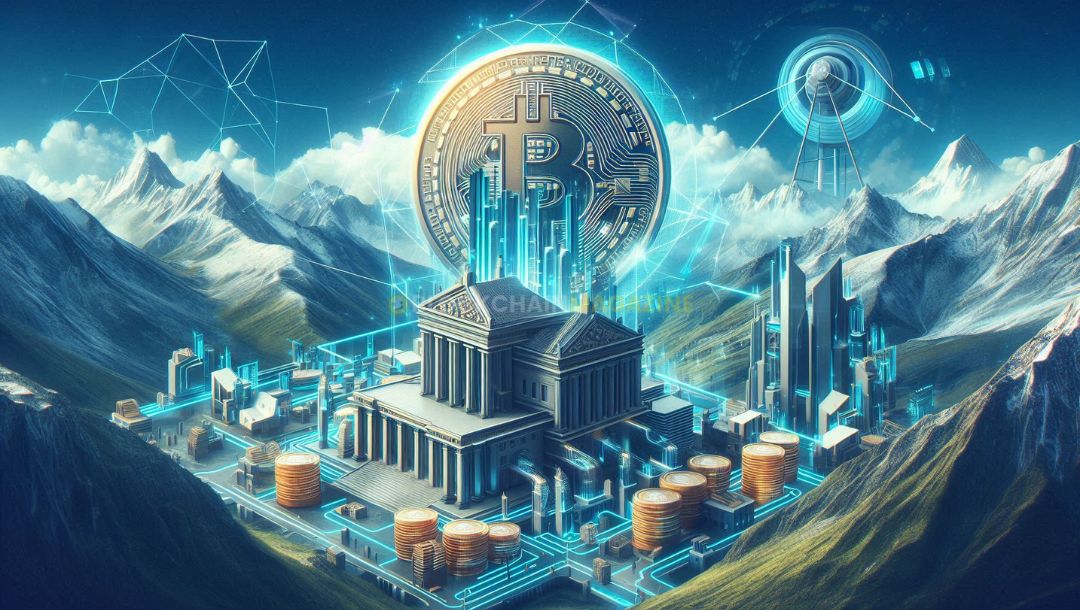

GameFi Crypto Revolution: Bridging Gaming and DeFi for Next-Gen Rewards
GameFi Crypto is shaking up the gaming world by mixing games with decentralized finance. It’s not just about playing for fun anymore; now gamers can earn real rewards for their skills. This new trend is pulling in players who want more than just high scores. They’re looking to make some money while they play. As GameFi grows, it’s changing how we think about games and finance, bringing them together in a way that’s never been done before.
Key Takeaways
- GameFi Crypto combines gaming with decentralized finance, offering real rewards for players.
- The rise of virtual economies in GameFi is creating new opportunities for gamers to profit.
- Blockchain technology is essential to GameFi, ensuring secure and transparent gaming experiences.
- Play-to-Earn models are transforming how players are rewarded, making gaming a more lucrative activity.
- Community and collaboration are central to GameFi, with players forming digital tribes and gaming guilds.
Understanding GameFi Crypto: A New Era in Gaming
The Evolution of GameFi
Remember when gaming was just about beating high scores or completing levels? Those days are long gone. Now, with the rise of GameFi, the gaming world is evolving into something much more exciting. GameFi, a blend of gaming and finance, is changing how we think about playing games. It all started with simple in-game purchases, but now we’re talking about earning real-world rewards through virtual adventures. This evolution has opened up new opportunities for gamers to not just play but also profit.
Key Components of GameFi Crypto
GameFi isn’t just a buzzword; it’s a whole new way of gaming. At its core, GameFi uses blockchain technology to give players ownership of in-game assets. This means that items you earn or buy in a game are truly yours. You can trade, sell, or even rent them out. The key components include:
- Blockchain Technology: Ensures transparency and security.
- Non-Fungible Tokens (NFTs): Represent unique ownership of digital assets.
- Cryptocurrencies: Used for transactions within the game.
These elements work together to create a decentralized gaming ecosystem where players have more control and opportunities.
How GameFi is Transforming the Gaming Landscape
The impact of GameFi on the gaming landscape is huge. Traditional gaming was more about fun and less about financial gain. But with GameFi, players can earn while they play. It’s like getting paid for doing what you love. This shift is attracting more players and even investors who see the potential in virtual economies. GameFi is not just transforming games; it’s changing how we view gaming as a whole.
GameFi is more than just a trend; it’s a new era in gaming where fun meets finance. Players are no longer just participants; they are stakeholders in a growing digital economy.
The Economic Impact of GameFi: Profits in Virtual Worlds
Monetizing Gaming Skills
GameFi is changing the way players think about gaming by turning it into a source of income. Players can now earn tokens or cryptocurrencies through their in-game achievements and activities. This shift allows gamers to make real money from their skills, rather than just playing for fun. Whether it’s completing quests, winning battles, or trading rare items, every action can contribute to a player’s financial gain.
The Rise of Virtual Economies
Virtual economies are booming thanks to GameFi. These digital worlds are not just about playing games anymore; they are becoming fully-fledged economies where buying, selling, and trading happen just like in the real world. Players can own digital assets, like land or unique items, and sell them for profit. This new economy is creating opportunities for players to engage in commerce and investment within their favorite games.
GameFi’s Role in Financial Inclusion
GameFi is opening doors for financial inclusion by allowing more people to participate in the digital economy. People from different backgrounds can access these virtual worlds and earn money, even if they don’t have traditional financial resources. GameFi provides a platform for those who might be excluded from the traditional financial systems to earn and trade in a decentralized environment.
GameFi is not just about playing games; it’s about creating new ways for people to interact with digital worlds and each other, while earning real-world rewards. This economic shift is bringing gaming and finance closer together, making virtual worlds a significant part of the global economy.
Blockchain Gaming: The Future of Interactive Entertainment
Why Blockchain is Integral to GameFi
Blockchain gaming is reshaping how we think about interactive entertainment. It’s not just a trend; it’s a game-changer. By integrating blockchain technology, games can offer players true ownership of in-game assets. This means your digital sword or rare character skin is yours to keep, trade, or sell, just like a physical item. The transparency and security that blockchain provides ensure that all transactions and ownerships are verifiable and secure. This shift empowers players, giving them more control over their gaming experiences.
The Benefits of Decentralized Gaming
Decentralized gaming offers a lot of perks that traditional gaming can’t. First off, there’s the aspect of true ownership. Players can own and trade in-game items without restrictions. Then there’s the transparency factor. Every transaction is recorded on the blockchain, making it tamper-proof and fair. Finally, decentralized games often have community-driven development, meaning players can influence the direction and updates of the game. This creates a more engaged and invested player base.
Challenges Facing Blockchain Gaming
Despite its potential, blockchain gaming faces several hurdles. Scalability is a big issue; many blockchains can’t handle the massive number of transactions needed for large-scale games without lag. There’s also the matter of accessibility. Not everyone is familiar with crypto wallets or blockchain technology, and this can be a barrier to entry. Lastly, there’s the challenge of regulation. As the line between gaming and finance blurs, governments are still figuring out how to classify and regulate these new forms of entertainment.
Blockchain gaming is more than just a buzzword. It’s a new frontier in gaming, offering possibilities that were unimaginable a decade ago. As technology evolves, so too will the games, creating a vibrant ecosystem that blends entertainment with economic opportunity.
For more insights on how blockchain gaming integrates into the gaming industry, reshaping the interactive entertainment experience, continue exploring the exciting developments in this space.
Navigating the GameFi Ecosystem: From Console to Crypto
Transitioning to Crypto Gaming
Switching from console gaming to crypto gaming might seem daunting, but it’s actually a pretty smooth ride. Crypto gaming offers a whole new way to engage with your favorite pastimes. It’s like trading your old gaming console for a high-tech upgrade. To get started, look for games that offer crypto rewards. These games often come with tutorials and community support to help you along the way. Here’s a quick guide to ease your transition:
- Start with Familiar Titles: Many traditional games are now available in crypto versions.
- Join Gaming Communities: These groups are great for tips, tricks, and support.
- Experiment with Play-to-Earn Models: These games let you earn while you play, adding an exciting twist to your gaming experience.
Building a GameFi Community
Community is at the heart of the GameFi experience. Whether you’re a newbie or a seasoned gamer, joining a dedicated global community can enhance your gaming journey. These communities are not just about playing games; they’re about sharing experiences, learning new strategies, and sometimes even collaborating on game development. Here’s how you can become a part of this vibrant ecosystem:
- Participate in Online Forums: Engage with other gamers and share your experiences.
- Join Discord Channels: Many GameFi projects have active Discord communities.
- Attend Virtual Events: These are great places to meet like-minded individuals and learn more about the GameFi world.
“In GameFi, community is more than just a group of gamers; it’s a network of individuals who share a passion for gaming and a vision for the future of digital interaction.”
Exploring GameFi Platforms
The world of GameFi is vast, with numerous platforms offering unique experiences. When exploring these platforms, it’s essential to understand what each one offers. Some focus on play-to-earn mechanics, while others might emphasize community building or NFT trading. Here’s a short list of things to consider when choosing a platform:
- Platform Features: Look for platforms that align with your gaming interests.
- User Reviews: Check out what other gamers are saying about their experiences.
- Security Measures: Ensure the platform has strong security protocols to protect your assets.
By understanding these aspects, you can make informed decisions and fully enjoy what the GameFi ecosystem has to offer.
Web3 and GameFi: A Powerful Combination
The Role of Web3 in GameFi
Web3 is changing how we think about the internet, and it’s bringing some big changes to gaming too. By using blockchain technology, Web3 makes games more interactive and gives players more control over their digital stuff. This is where GameFi comes in. GameFi combines gaming with finance, letting players earn real money or crypto through gaming. With Web3, these earnings aren’t just numbers on a screen; they’re actual assets players can own and trade.
True Ownership with NFTs
In the old days, if you bought a cool sword in a game, it was stuck there. But with Web3, and especially with NFTs, that sword is yours to keep, trade, or sell. This gives players true ownership of their in-game items. Imagine earning a rare item in a game and then selling it for real money or using it in another game. That’s the power of Web3 and NFTs. It’s a game-changer, literally.
Web3’s Impact on GameFi’s Growth
Web3 is pushing GameFi to new heights. By making games more open and fair, it’s attracting more players and developers. There’s also a big focus on community, with players having a say in how games are run. This is where Foresight Ventures is stepping in, using Web3 and AI to help creators make better games. As more people get involved, the GameFi world is set to grow even more, offering new opportunities for everyone involved.
With Web3 and GameFi working together, the future of gaming looks exciting. Players can finally have a real stake in the games they love, and developers can build more engaging and rewarding experiences.
Play-to-Earn: Revolutionizing Player Rewards
How Play-to-Earn Models Work
The Play-to-Earn (P2E) model is shaking up the gaming world, letting players earn real-world cash through their in-game efforts. Instead of just playing for fun, gamers can now make money by completing tasks, winning battles, or participating in events. This model is especially popular in blockchain games where players can earn cryptocurrencies or non-fungible tokens (NFTs). These rewards can then be traded or sold for actual money, providing a new income stream for gamers.
The Sustainability of Play-to-Earn
While the P2E model is exciting, there are concerns about its long-term sustainability. Maintaining a balanced economy within the game is crucial to prevent inflation of in-game currencies. Developers need to carefully design tokenomics to ensure that the value of rewards remains stable. Additionally, the constant need for new content to keep players engaged can be a challenge. Despite these concerns, the potential for financial benefits keeps the model appealing to both players and developers.
Future Trends in Player Rewards
Looking ahead, the P2E model is likely to evolve with new technologies and gaming trends. We might see more complex reward systems that include skill-based achievements and community challenges. There could also be a rise in hybrid models that combine traditional gaming elements with blockchain features. As the gaming landscape continues to change, the P2E model will likely adapt, offering even more opportunities for players to earn while they play.
Play-to-Earn is more than just a trend; it’s a shift in how we think about gaming and rewards. Players are no longer just consumers; they’re active participants in a digital economy where their skills and time are valued.
For those interested in exploring some of the top P2E games, titles like Axie Infinity, The Sandbox, and Decentraland are leading the charge, offering unique opportunities to earn crypto and NFT rewards.
The Social Dynamics of GameFi: Community and Collaboration
Building Digital Tribes
In the GameFi world, players aren’t just isolated individuals; they form digital tribes. These tribes are communities where players connect over shared interests, goals, and experiences. It’s not just about playing games; it’s about finding a group where you belong. These communities often gather on platforms like Discord or Telegram, where they share tips, strategies, and even memes. The sense of belonging can be as rewarding as the game itself.
The Importance of Gaming Guilds
Gaming guilds have taken on a new life in the GameFi space. These are groups of players who band together to achieve common objectives, like completing quests or earning in-game currency. Guilds provide a structure where members can share resources, from knowledge to assets, and work together to achieve more than they could alone. This collective power can be seen in AI-driven NPCs in games like Illuvium’s Overworld, where advanced AI technology enhances the collaborative experience.
Collaborative Opportunities in GameFi
GameFi opens up a world of collaborative opportunities. Whether it’s teaming up for a raid or pooling resources for a larger stake in a game, collaboration is key. Players can join forces to tackle challenges that would be impossible alone. This spirit of cooperation not only enhances gameplay but also builds stronger, more resilient communities. In the end, it’s about more than just winning; it’s about creating lasting bonds with fellow players.
GameFi isn’t just changing how we play games; it’s transforming who we play them with. The connections formed in these digital spaces can be as real and impactful as those in the physical world.
Conclusion
So, there you have it. GameFi is shaking things up in the gaming world, blending fun with finance in a way that’s never been done before. It’s not just about playing games anymore; it’s about earning while you play. This new wave of gaming is opening doors to a whole new economy, where your skills can actually pay off. Whether you’re a seasoned gamer or just curious, now’s the time to dive in and see what all the buzz is about. The future of gaming is here, and it’s more exciting than ever. Who knew playing games could be this rewarding?
Frequently Asked Questions
What is GameFi?
GameFi is a mix of gaming and finance where players can earn real money from playing games. It uses things like cryptocurrency and blockchain to make this possible.
How do players earn money in GameFi?
Players earn money by completing tasks and winning challenges in games. The rewards can be in the form of cryptocurrency or special in-game items that can be sold.
What makes blockchain important for GameFi?
Blockchain helps keep track of who owns what in games. It makes sure that trades and rewards are safe and fair, so players can trust the system.
Why is Web3 important for GameFi?
Web3 lets players truly own their game items. This means they can trade or sell them outside the game, which adds real value to their gaming efforts.
What is Play-to-Earn?
Play-to-Earn is a way for players to make money by playing games. Instead of just playing for fun, players can earn rewards that have real-world value.
What challenges does GameFi face?
GameFi faces challenges like making sure games are fair, keeping players’ information safe, and helping new players understand how to get started.
Stay informed with daily updates from Blockchain Magazine on Google News. Click here to follow us and mark as favorite: [Blockchain Magazine on Google News].
Disclaimer
Blockchain Magazine publishes content submitted by third-party agencies, partners, and clients. Any such posts are categorized and tagged accordingly:
- Sponsored Content: Posts labeled as "Sponsored" are paid placements submitted by third-party agencies or clients. Blockchain Magazine does not endorse or express any views regarding the information contained in these posts. The opinions expressed belong solely to the respective authors and do not reflect the official policy or position of Blockchain Magazine.
- Press Releases: Posts labeled as "Press Release" are paid PR submissions provided by our partners and clients. These are published as received and should be considered as promotional content.
The information provided in such posts is strictly for informational purposes only and should not be interpreted as financial, investment, or professional advice. Blockchain Magazine does not recommend, endorse, or promote any specific products, services, or companies mentioned. Readers are strongly encouraged to conduct independent research and consult with a qualified professional before making any financial or investment decisions.
Additionally, all featured images accompanying such posts are intended as creative depictions of the subject matter. There is no intent to offend or misrepresent any individual, institution, or entity. If any content or imagery is found to be objectionable, please reach out to us at [email protected], and we will promptly review the concern.
About the Author: Anaya Malhotra

editor's pick




Get Blockchain Insights In Inbox
Stay ahead of the curve with expert analysis and market updates.